The Uganda Sovereignty Bill is rapidly emerging as one of the most consequential economic debates in the country, with policymakers warning it could disrupt financial stability and fuel inflation. Introduced to parliament in April, the proposed law aims to curb external influence in domestic politics, yet it now faces mounting scrutiny over its potential economic fallout.
At the center of the concern is the position taken by Michael Atingi-Ego, governor of the Bank of Uganda. He has cautioned that the bill could significantly reduce foreign currency inflows, a key pillar supporting Uganda’s balance of payments and exchange rate stability.
The legislation, formally known as the Protection of Sovereignty Bill, 2026, proposes that any Ugandan receiving funds from abroad must register as a foreign agent, obtain government certification, and disclose all incoming financial support. While supporters argue this will enhance transparency and national sovereignty, critics warn it could discourage investment, philanthropy, and development financing.
For an economy like Uganda’s, which depends heavily on foreign exchange inflows from donors, investors, and remittances, such restrictions carry immediate risks. The Uganda Sovereignty Bill could limit the volume and speed of these inflows, weakening the country’s external financial position.
Atingi-Ego has framed the issue in stark terms. Any disruption to foreign inflows, he noted, risks depleting reserves, which act as a buffer against economic shocks. Without adequate reserves, the central bank’s ability to stabilize the currency becomes constrained. This, in turn, raises the likelihood of exchange rate depreciation.
Currency depreciation has direct consequences for inflation. As the Ugandan shilling weakens, the cost of imports rises, particularly for essential goods such as fuel, machinery, and food products. These cost increases tend to cascade through the economy, pushing up consumer prices. According to the central bank’s assessment, the Uganda Sovereignty Bill could therefore trigger inflationary pressures through exchange rate movements alone.
The concerns extend beyond domestic institutions. The World Bank has also raised objections, warning that the law could expose a wide range of development activities to legal risk. Programs involving policy discussions, stakeholder meetings, or financial support could fall under the bill’s broad provisions. This creates uncertainty for international partners that play a significant role in Uganda’s development agenda.
Commercial banks, charities, and civil society organizations have echoed similar worries. Many argue that the compliance requirements embedded in the Uganda Sovereignty Bill could introduce administrative burdens and legal ambiguities. These factors may discourage cross-border financial engagement, particularly from institutions that rely on predictable regulatory environments.
Opposition political groups have also criticized the bill, framing it as both an economic and democratic concern. They argue that limiting external support could weaken civic participation and reduce access to global networks of expertise and funding. However, government officials have dismissed these concerns, maintaining that the law is necessary to safeguard national interests.
From a macroeconomic perspective, the stakes are high. Uganda’s economy relies on a steady flow of foreign exchange to finance imports, service external debt, and maintain currency stability. Any policy that constrains these inflows risks creating imbalances that are difficult to manage in the short term.
The Uganda Sovereignty Bill also comes at a time when global economic conditions remain uncertain. Rising interest rates in advanced economies, geopolitical tensions, and fluctuating commodity prices have already tightened financial conditions for emerging markets. Introducing additional constraints on foreign inflows could amplify these external pressures.
There is also the question of investor sentiment. Regulatory shifts that introduce uncertainty or perceived restrictions on capital flows often lead to cautious behavior among investors. In Uganda’s case, the bill could signal a more restrictive policy environment, potentially affecting both portfolio and direct investment.
At the same time, proponents of the bill argue that economic risks must be weighed against political and national security considerations. They contend that unchecked foreign influence can distort domestic policy and undermine sovereignty. The challenge, therefore, lies in balancing these competing priorities without destabilizing the economy.
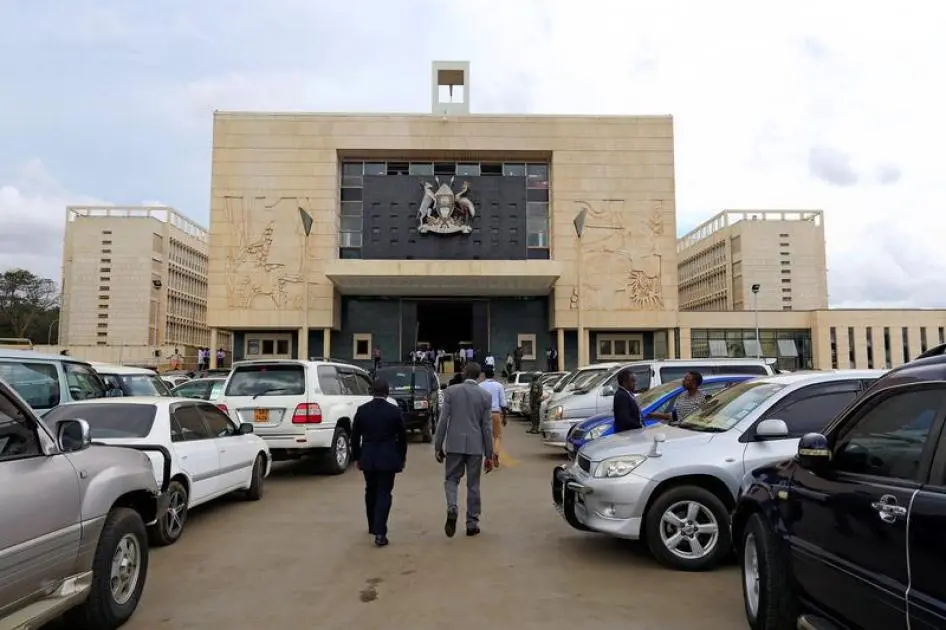
The outcome of the ongoing parliamentary hearings will be critical. Lawmakers must assess not only the political objectives of the Uganda Sovereignty Bill, but also its economic implications. Adjustments to the bill’s scope or implementation mechanisms could mitigate some of the risks identified by the central bank and international partners.
Ultimately, the debate reflects a broader tension faced by many developing economies. As countries seek to assert greater control over domestic affairs, they must also remain integrated into global financial systems. Striking this balance is complex, particularly when external funding plays a central role in economic stability.
For Uganda, the path forward will depend on careful policy calibration. Preserving sovereignty while maintaining investor confidence and financial stability will require nuanced decision-making. The Uganda Sovereignty Bill has brought these issues into sharp focus, and its final form will shape the country’s economic trajectory in the years ahead.