Off-price retail growth continues to reshape the retail landscape as discount chains expand rapidly while traditional department stores struggle to maintain market share. Major U.S. off-price retailers are reporting strong sales, rising profits, and aggressive expansion plans that signal confidence in long-term demand.
Recent quarterly reports from TJX Companies, Ross Stores, and Burlington show that the sector remains one of the fastest-growing segments in retail. Each company reported double-digit or near double-digit gains in revenue, reinforcing the strength of off-price retail growth.
The performance highlights a long-term shift in consumer behavior. Shoppers increasingly seek discounted branded goods, often choosing off-price retailers instead of traditional department stores.
Industry analysts say this trend has accelerated over the past decade and shows little sign of slowing.
Off-price retail growth boosts major chains
The latest financial results demonstrate the strong momentum behind off-price retail growth in North America.
TJX Companies reported fourth-quarter net sales of $17.7 billion, representing a 9 percent increase compared with the previous year.
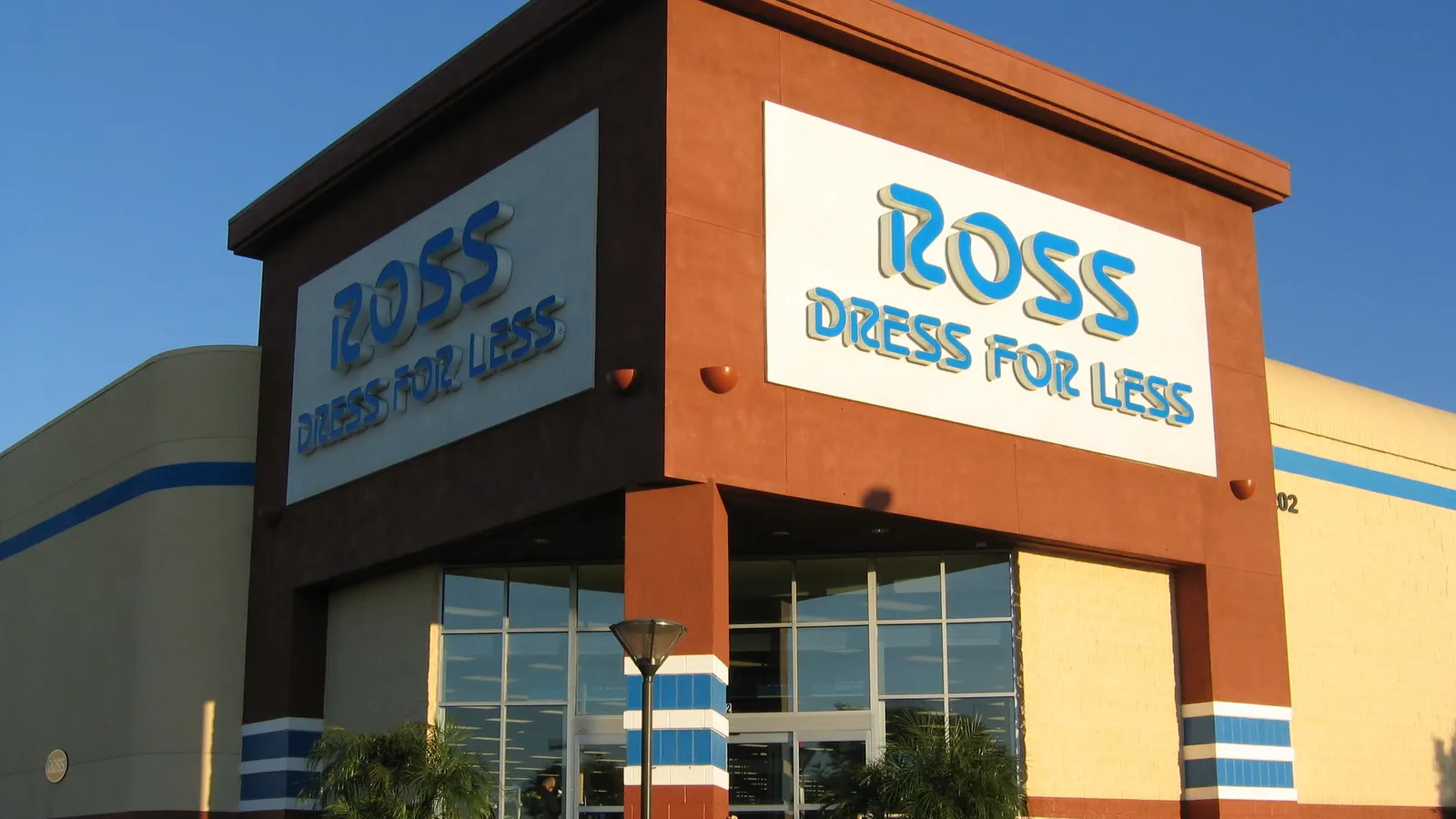
Ross Stores recorded even stronger gains. The retailer reported quarterly sales of $6.6 billion, marking a 12 percent year-over-year increase.
Meanwhile, Burlington also delivered strong results. The company reported total quarterly sales of $3.6 billion, reflecting an 11 percent increase.
These numbers show that off-price retailers continue to attract customers despite broader challenges facing the retail industry.
Consumers facing inflation and rising living costs often look for lower prices without sacrificing brand quality. Off-price retailers have built their business models around exactly that proposition.
Off-price retail growth drives store expansion
Beyond strong sales, expansion plans also reveal confidence in the continued rise of off-price retail growth.
All three major off-price chains plan to open dozens of new stores across North America in the coming years.
Ross Stores expects to open 85 new locations this year. The company also plans to expand its Ross chain to 2,900 stores while growing its DD’s Discounts brand to about 700 locations.
Burlington plans an even faster pace of expansion. The retailer intends to open 110 net new stores this year.
TJX Companies remains the largest off-price retailer in the sector. The company sees potential for more than 1,700 additional stores globally, bringing its long-term store total to roughly 7,000 locations.
In the current year alone, TJX plans to open 146 net new stores, representing approximately 3 percent growth in its store fleet.
More than 100 of these new locations will open in the United States, while 13 will open in Canada.
Read Also
Estee Lauder Sues Walmart Over Alleged Counterfeits
Calvin McDonald Named New CEO of Wella
Off-price retail growth pressures department stores
The continued rise of off-price retail growth has created serious challenges for traditional department stores.
According to research from UBS analysts led by Jay Sole, department stores have steadily lost both sales and operating profits to off-price retailers over the past decade.
The trend reflects a broader shift in how consumers shop.
Many shoppers now prioritize value and discounts when purchasing clothing, footwear, and household goods. Off-price retailers specialize in offering well-known brands at lower prices than traditional department stores.
As a result, shoppers increasingly bypass department stores and head directly to discount-focused chains.
This shift has significantly eroded the market share once dominated by large department store brands.
Off-price retail growth intensifies competition
As off-price retailers expand into more markets, competition within the sector may also increase.
TJX CEO Ernie Herrman recently indicated that the company intends to pursue aggressive growth strategies to capture additional market share.
Herrman told analysts that TJX plans to continue expanding its store network while driving stronger sales growth.
However, executives from competing retailers suggest that the real competition may still lie outside the off-price segment.
Ross Stores CEO James Conroy said that his company is primarily focused on capturing sales from traditional retail chains rather than competing directly with other off-price brands.
According to Conroy, the biggest shift in market share is coming from mainstream retailers and department stores.
While off-price companies may occasionally compete in overlapping markets, the overall category continues to expand rapidly.
Off-price retail growth reflects changing consumer habits
Consumer behavior plays a central role in the continued rise of off-price retail growth.
Many shoppers today are more price-sensitive than in previous decades. Even higher-income households increasingly look for discounted products when shopping.
Off-price retailers have adapted to these habits by sourcing branded merchandise from manufacturers, distributors, and other retailers.
These products are then sold at significant discounts compared with traditional retail pricing.
This strategy allows off-price chains to offer attractive deals while maintaining healthy profit margins.
At the same time, shoppers enjoy the experience of discovering brand-name items at lower prices.
Retail analysts say this treasure-hunt style shopping experience continues to drive foot traffic into off-price stores.
As expansion plans move forward across North America, off-price retail growth is expected to remain one of the dominant forces shaping the future of the retail industry.