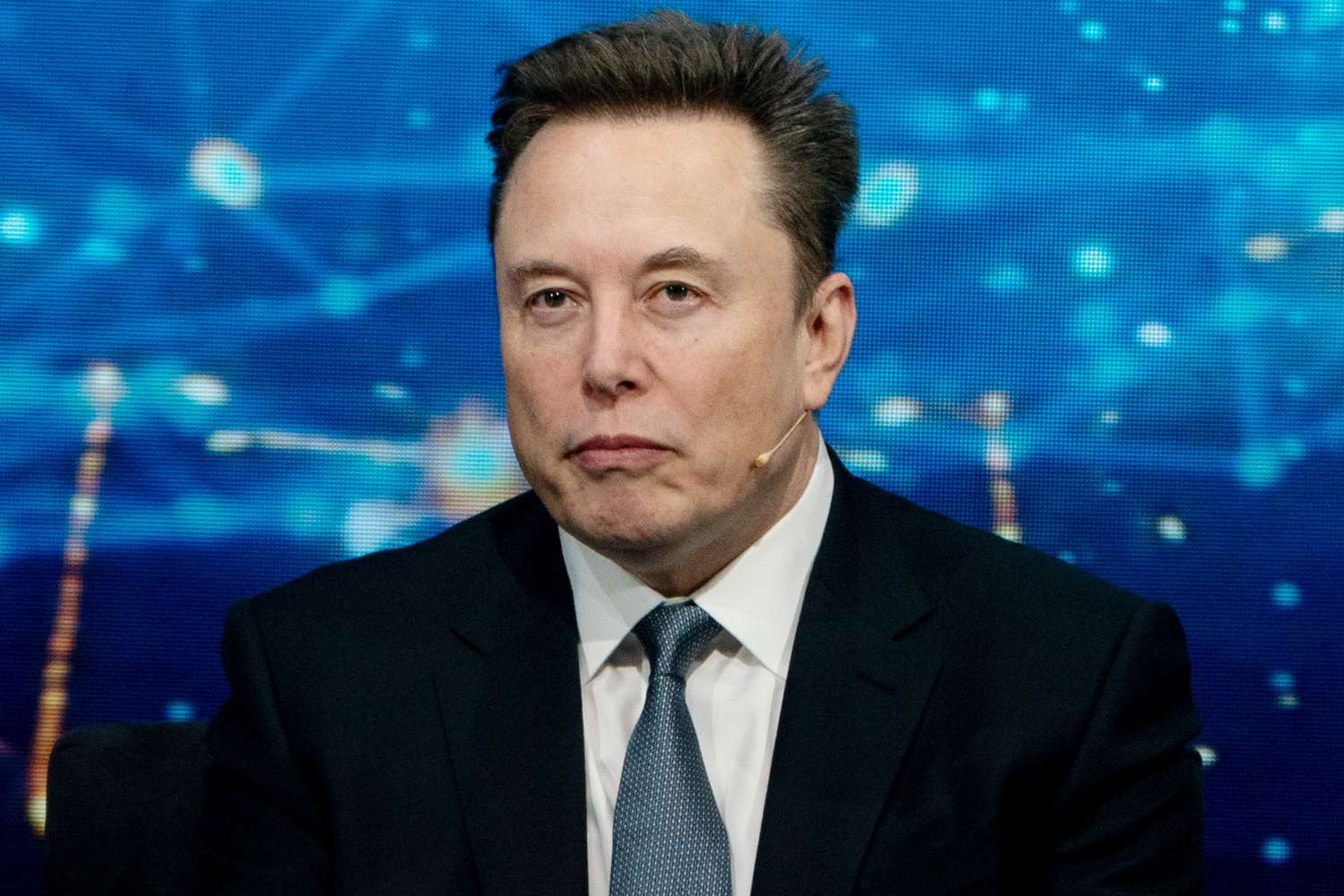
Musk milestone has become one of the most important financial stories of 2026 after SpaceX’s historic Nasdaq debut lifted Elon Musk’s estimated fortune above $1 trillion.
The rocket and satellite company entered public markets with extraordinary investor demand. SpaceX priced its shares at $135, opened around $150 and traded strongly enough to push its valuation above $2 trillion during its first session.
Forbes declared Musk the world’s first trillionaire after the listing raised the market value of his SpaceX stake. The publication estimated his fortune at about $1.1 trillion following the IPO, putting him in a wealth category never publicly reached before.
The moment is bigger than one billionaire.
It shows how investors are now valuing companies linked to future infrastructure. SpaceX is no longer seen only as a launch provider. It is being priced as a business built around rockets, satellite broadband, government contracts, strategic communications and long-term space systems.
That is why the SpaceX surge matters. It is a wealth story, a market story and a technology story at the same time.
Quick Facts About the Musk Milestone
| Category | Detail |
|---|---|
| Person | Elon Musk |
| Wealth milestone | First publicly recognised trillionaire |
| Main trigger | SpaceX Nasdaq debut |
| IPO price | $135 per share |
| Opening price | Around $150 per share |
| Capital raised | About $75 billion |
| SpaceX valuation | Above $2 trillion during trading |
| Forbes estimate | About $1.1 trillion |
| Main wealth driver | Musk’s SpaceX ownership stake |
| Key business theme | Rockets, Starlink and future infrastructure |
Why SpaceX Changed the Wealth Conversation
SpaceX changed the wealth conversation because it gave public investors a clear market price for one of Musk’s most valuable assets.
Before the IPO, SpaceX was already one of the most valuable private companies in the world. But private valuations depend on funding rounds, investor estimates and limited share transactions.
Public trading changed that.
Once SpaceX shares began trading on Nasdaq, the market created a visible valuation for the company. Because Musk owns a large stake, the value of that stake increased sharply as the stock traded above its offer price.
That pushed his estimated net worth beyond $1 trillion.
However, Musk’s wealth is not mostly cash. It is mainly tied to shares, stock options and company stakes. If SpaceX or Tesla shares fall, his net worth could decline. If they rise, it could increase further.
Even with that volatility, the milestone remains historic.
SpaceX Is Now a Public-Market Powerhouse
The SpaceX IPO turned a private technology giant into a public-market powerhouse.
For years, SpaceX operated as one of the most watched private companies in the world. It built reusable rockets, expanded Starlink satellite internet and became a major player in government and commercial space operations.
Now, public investors can directly own shares in the company.
That shift gives SpaceX more visibility and access to capital. It also brings a new level of scrutiny.
As a listed company, SpaceX will face pressure to explain its revenue, margins, launch activity, Starlink growth, costs and long-term strategy. Investors will expect clearer reporting and stronger accountability.
The company’s story is still ambitious, but public markets will now demand proof that ambition can become lasting financial performance.
Why Investors Are Valuing SpaceX So Highly
Investors are valuing SpaceX highly because it combines several powerful growth stories.
The first is reusable rocket technology. SpaceX has changed the economics of launch services and positioned itself as a leader in commercial space access.
The second is Starlink. Satellite internet gives the company a recurring-revenue business with global potential.
The third is government and defence-linked demand. Space systems are becoming more important for communications, security and national infrastructure.
The fourth is long-term space infrastructure. Investors are betting that space-based services could become much larger in the decades ahead.
This combination gives SpaceX a broader profile than a traditional aerospace company.
It is being treated as a future-infrastructure platform.
Starlink Is Central to the Investment Case
Starlink is one of the most important reasons investors are excited about SpaceX.
Rocket launches made the company famous, but Starlink gives it a business that can generate recurring revenue from customers around the world.
The network can serve homes, businesses, ships, aircraft, remote areas and government users. That gives SpaceX exposure to global broadband demand, especially in places where traditional internet infrastructure is limited.
SpaceX also has a major advantage because it controls much of the system.
It can build satellites, launch them with its own rockets and operate the network directly. That vertical control may help the company expand faster and manage costs better than rivals.
If Starlink continues growing, it could support a large part of SpaceX’s valuation.
The Valuation Brings Big Expectations
A valuation above $2 trillion is a major achievement, but it also creates pressure.
At that level, investors expect SpaceX to deliver extraordinary growth. The company must show that Starlink, rocket launches, government contracts and future space services can support its market value.
That will not be easy.
Space businesses require heavy investment. Rockets are expensive. Satellites need constant deployment and maintenance. Regulatory issues can slow expansion. Technical setbacks can be costly.
There is also the risk of competition.
Governments and private companies are investing more in space technology, satellite networks and launch systems. SpaceX is a leader, but it must keep proving that leadership.
The IPO made history. The next test is execution.
Musk’s Role Becomes Even More Important
Elon Musk remains central to SpaceX’s market story.
Supporters view him as one of the few entrepreneurs capable of building companies that challenge old industries. Tesla helped transform electric vehicles. SpaceX changed rocket launches. Starlink expanded satellite broadband.
That record gives investors confidence.
But Musk’s role also creates risk.
He is involved in several major ventures, including SpaceX, Tesla, X, xAI and Neuralink. Public investors may question whether his attention is stretched too thin.
Now that SpaceX is public, those questions will become louder.
Investors will watch not only the company’s results but also Musk’s leadership, communication and ability to manage several high-pressure businesses.
What This Means for Tesla
Tesla remains a major part of Musk’s wealth, but SpaceX’s IPO changes the balance of his empire.
For years, Tesla was the main listed company tied to Musk’s fortune. Investors who wanted exposure to his vision often focused on Tesla.
Now SpaceX gives the market another public route into Musk’s business universe.
Tesla is tied to electric vehicles, energy storage, software, autonomy and robotics. SpaceX is tied to rockets, satellites, broadband and space infrastructure.
Both companies are ambitious. Both have high expectations. Both depend heavily on investor confidence in Musk’s long-term vision.
That makes Musk’s public-market story bigger, but also more complicated.
What This Means for Wall Street
The SpaceX listing may reshape the market for large technology IPOs.
Many private companies have delayed going public in recent years because private capital was available and public markets were uncertain. SpaceX has shown that investors are still willing to support huge listings when the company has a powerful brand and future-facing business model.
That could encourage other firms in artificial intelligence, robotics, defence technology, satellite systems and advanced computing to consider public offerings.
However, SpaceX’s long-term performance will decide whether this IPO becomes a model or a warning.
If the stock remains strong and the company delivers results, more mega-IPOs may follow. If it struggles, investors may become more cautious about extreme valuations.
Why the First Trillionaire Came From Future Technology
The first publicly recognised trillionaire did not come from traditional banking, oil, retail or real estate.
He came from companies tied to future technology.
Tesla is linked to electric vehicles and automation. SpaceX is linked to rockets, satellites and global communications. Starlink turns space infrastructure into an internet business.
This reflects a major shift in wealth creation.
The largest fortunes are increasingly built around platforms, networks and systems that investors believe could shape the future economy.
Musk’s milestone shows that markets are willing to place enormous value on companies that appear positioned to control those systems.
The Inequality Debate Will Intensify
Musk becoming the world’s first trillionaire will deepen debate about wealth concentration.
Supporters will argue that the milestone reflects innovation, risk-taking and the creation of companies that changed major industries.
Critics will argue that a personal fortune above $1 trillion shows extreme concentration of economic power.
The debate is especially sharp because SpaceX operates in strategic sectors. Satellite communications, launch access and space infrastructure affect internet connectivity, defence, science and global systems.
That makes Musk’s wealth more than a private financial story.
It is also part of a wider debate about who controls the infrastructure of the future.
What Investors Should Watch Next
Investors should now watch whether SpaceX can turn market excitement into measurable performance.
The most important areas include Starlink subscriber growth, launch frequency, government contracts, profitability, capital spending and major development timelines.
They should also watch how SpaceX communicates as a public company.
Transparency will matter. Investors will want to understand where revenue comes from, how quickly Starlink is growing, how much cash the company is spending and when major projects may become profitable.
The listing created history.
Execution will determine whether the valuation lasts.
Key Takeaways
- Elon Musk has become the first publicly recognised trillionaire.
- SpaceX’s Nasdaq debut pushed his estimated fortune above $1 trillion.
- SpaceX priced its IPO at $135 per share.
- The stock opened around $150 per share.
- The listing raised about $75 billion.
- SpaceX traded above a $2 trillion valuation during its debut.
- Forbes estimated Musk’s fortune at about $1.1 trillion.
- Musk’s wealth is mostly tied to shares and options, not cash.
- Starlink is central to SpaceX’s long-term growth story.
- SpaceX is being valued as future infrastructure, not just a rocket company.
- The IPO brings more capital but also greater public-market scrutiny.
- Musk’s milestone raises debate about innovation, inequality and market power.
Frequently Asked Questions
What is the Musk milestone?
The Musk milestone refers to Elon Musk becoming the first publicly recognised trillionaire after SpaceX’s Nasdaq debut lifted his estimated fortune above $1 trillion.
What made Elon Musk a trillionaire?
SpaceX’s IPO made Elon Musk a trillionaire by increasing the value of his large ownership stake in the company.
What was the SpaceX IPO price?
SpaceX priced its IPO at $135 per share.
What did SpaceX shares open at?
SpaceX shares opened around $150 per share.
How much did SpaceX raise?
SpaceX raised about $75 billion through the IPO.
What was SpaceX valued at?
SpaceX traded above a $2 trillion valuation during its market debut.
Is Musk’s $1 trillion wealth cash?
No. Most of Musk’s wealth is tied to shares, stock options and company stakes.
Why is Starlink important to SpaceX?
Starlink is important because it gives SpaceX a recurring satellite internet business with global growth potential.
Can Elon Musk lose trillionaire status?
Yes. Musk’s estimated wealth could fall below $1 trillion if SpaceX, Tesla or other holdings decline in value.
Why does this story matter?
It matters because it marks the first publicly recognised trillionaire and shows how markets are valuing future technology infrastructure.
Conclusion
Musk milestone has rewritten the language of global wealth.
SpaceX’s record market debut pushed Elon Musk above $1 trillion, made him the first publicly recognised trillionaire and placed the space economy at the centre of financial markets.
The milestone reflects investor belief in rockets, Starlink, satellites and future infrastructure. It also shows how founder ownership can create extraordinary paper wealth when markets attach huge value to long-term technology stories.
But the next stage will be harder.
SpaceX must prove that its valuation is justified. Musk must manage growing scrutiny across several major companies. Investors must decide whether the promise of the space economy can deliver lasting returns.
The first trillionaire has arrived, and SpaceX now has to prove that the market’s confidence can survive beyond the launch.