Target Reshapes Leadership as the retail giant pushes forward with a broader turnaround strategy under Chief Executive Michael Fiddelke.
The company has introduced several senior merchandising and design appointments while working to strengthen its product authority and sharpen its brand identity in a highly competitive retail market.
The latest changes place renewed focus on apparel, accessories and design leadership. Target said Russell will now oversee apparel and accessories after helping lead the redesign of the retailer’s SoHo store in New York City.
At the same time, Fox has taken on an expanded design role after leading major collaborations and helping shape several of Target’s most recognizable private labels. The restructuring reflects wider efforts to improve customer experience and strengthen merchandising execution across the company.
Target Reshapes Leadership Through New Roles
Fox said her new role will focus on building a stronger and more unified design direction across merchandising, branding and marketing.
In a LinkedIn post announcing the appointment, she explained that the company wants every part of the customer experience to feel connected, intentional and clearly tied to the Target brand.
Her expanded responsibilities will also influence how the retailer positions itself culturally. Increasingly, major retailers are using design leadership to shape identity, customer loyalty and long-term market relevance.
All three senior vice presidents will report to Cara Sylvester, who became Target’s chief merchandising officer in February.
Sylvester’s appointment represented a major internal restructuring. The company moved away from multiple chief merchandising officers and consolidated leadership under a single executive structure.
That shift triggered several additional leadership changes. Lisa Roath, formerly chief merchandising officer for food, essentials and beauty, became chief operating officer. Jill Sando, who oversaw apparel, accessories, home and Fun101, retired from the company. Chief Commercial Officer Rick Gomez also departed.
Read Also
Amazon AI Investment Defended by CEO Andy Jassy
Levi Strauss CFO Exit Comes With $3M Severance
Merchandising Strategy Becomes Central Focus
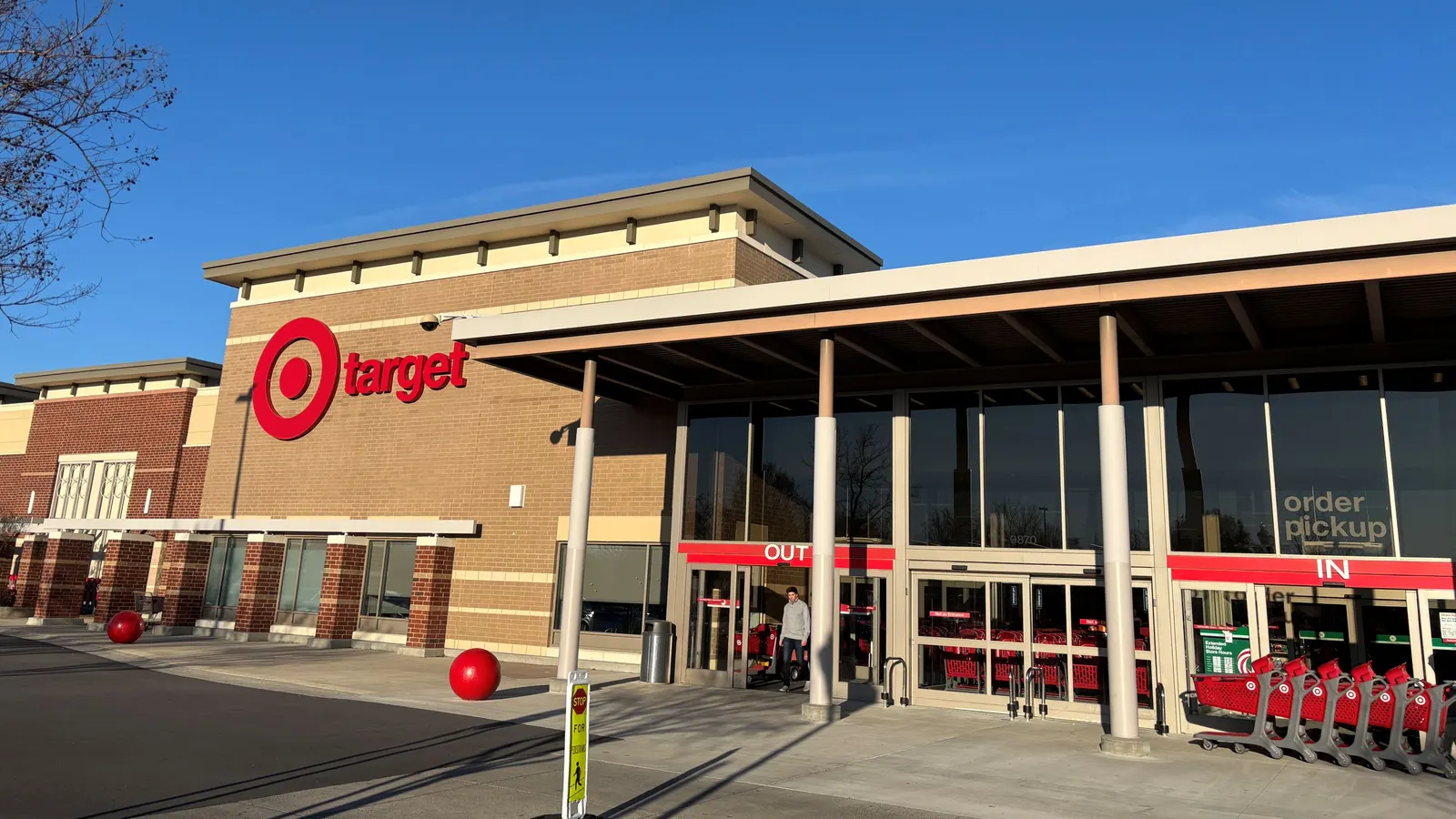
Target Reshapes Leadership at a time when the retailer is under pressure to regain merchandising strength after several challenging quarters.
Management is also pushing for more in-person collaboration. Recently, Target required around 150 remote merchandising employees to relocate to its Minnesota headquarters or leave the company.
Executives believe closer collaboration can improve product development, accelerate decision-making and strengthen brand consistency across stores and digital platforms.
Fiddelke and Sylvester shared more details about the company’s plans during an investor day presentation in March. One of the largest initiatives involves a redesigned beauty experience that will launch in about 600 stores later this year.
The company also plans to integrate beauty-focused rewards into its loyalty program. That move aims to strengthen customer engagement in one of retail’s fastest-growing categories.
Private Labels and Store Concepts Expand
Target continues to rely heavily on private labels as a major competitive advantage.
The retailer plans to refresh several in-house brands, including Threshold, which remains one of its best-known home collections.
Fox has already helped shape many of Target’s leading private labels, including Threshold, All in Motion and Cat and Jack. She also played a major role in collaborations with brands such as Kate Spade and Roller Rabbit.
Those partnerships helped the retailer maintain relevance among younger shoppers and trend-focused consumers.
In addition, Target plans to introduce a new “Baby Boutique” concept in around 200 stores. The company hopes the new section will strengthen categories linked to family spending and essential household purchases.
Target Reshapes Leadership for Long-Term Growth
Retail analysts increasingly view exclusive brands and curated shopping experiences as essential tools for large retailers facing growing competition from discount chains, online marketplaces and specialty stores.
Target Reshapes Leadership as part of a broader effort to sharpen its identity and improve sales momentum across key categories such as apparel, beauty and home goods.
The retailer is also trying to balance operational discipline with innovation. Investments in private labels, loyalty integration and store redesigns suggest management wants to create a more connected shopping experience across physical and digital channels.
Investors will now closely watch whether the latest leadership changes can strengthen customer traffic, improve merchandising performance and help Target regain momentum in an increasingly competitive retail environment.