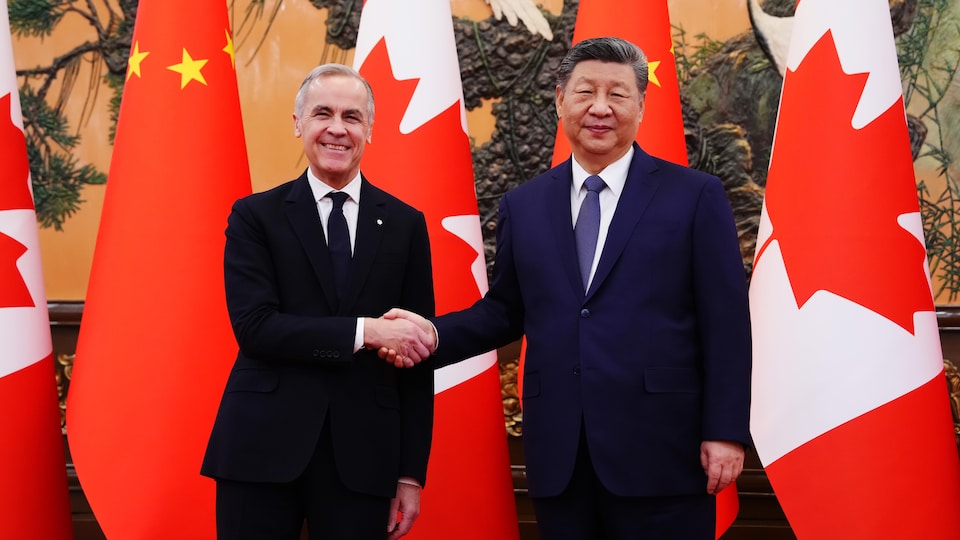
Canada has signed a new trade deal with China, sending a clear signal that it is serious about changing its global trade strategy. The move shows Ottawa is preparing for a future with less certainty in its relationship with the United States.
Prime Minister Mark Carney said the deal reflects a new reality. He explained that Canada must deal with the world as it is, not as it hopes it will be. As a result, the government is choosing a more practical and flexible approach.
Under the agreement, Canada will sharply reduce tariffs on Chinese electric vehicles. In return, China will cut heavy tariffs on key Canadian farm products such as canola, peas, and seafood. China also agreed to ease visa rules for Canadian visitors.
The decision marks a major shift. In 2024, Canada and the US jointly imposed high tariffs on Chinese EVs. However, ongoing trade tensions with Washington have made Canada rethink its options.
Also Read: Trump Greenland tariffs spark backlash from European leaders
Reactions at home are mixed. Some provincial leaders and farmers welcome the relief. Others warn the deal could hurt Canada’s auto industry and cost jobs.
Also read: Carney, reaching trade deal with China, says country is more ’predictable’ than U.S.
Experts say the move shows Canada is no longer willing to wait on the US. Instead, it is actively reshaping its trade partnerships to protect its economy in an uncertain global landscape.