The “Sell America trade” intensified this week, pushing global shares lower for a fourth consecutive day. Investors grew wary amid U.S. threats to acquire Greenland and renewed tariff rhetoric from former President Donald Trump. These developments fueled concerns that the U.S. is becoming an unreliable economic partner, triggering a broad retreat from American assets.
Wall Street dropped more than 2% overnight. The U.S. dollar posted its steepest one-day fall in over a month. In response, traders sought safety in gold, which surged 2.1% to a record $4,865 per ounce. Mantas Vanagas, senior economist at Westpac, said the “Sell America trade” was the main driver of recent market moves, as investors reduced exposure to U.S. holdings.
Trump’s comments on Greenland added to the tension. He insisted there was “no going back” on his goal to control the island and did not rule out using force. More critically for markets, he revived threats of new tariffs on European goods. This raised fears of a fresh global trade war. The European Union plans to hold an emergency summit in Brussels to address the escalating rift with Washington.
All eyes turned to the World Economic Forum in Davos, where Trump was scheduled to speak. His remarks could either ease tensions or deepen the divide with Europe. Meanwhile, MSCI’s All-World Index edged down 0.12%, extending its losing streak. Europe’s STOXX 600 also declined, pressured by export-heavy sectors like defense, pharmaceuticals, and technology.
Market stress remained elevated. The VIX index, a gauge of expected S&P 500 volatility, dipped slightly to 19.19 but stayed near two-month highs. Wall Street futures pointed to a modest rebound at the open, though analysts warned that sentiment remains fragile. Chris Weston, head of research at Pepperstone, noted that the key question is whether buyers will step in—or if risk aversion will deepen.
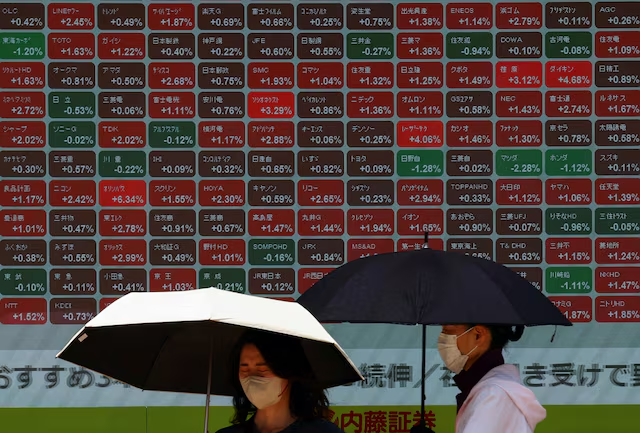
The global bond market showed signs of recovery after a sharp selloff. Japanese government bonds led the turmoil, suffering their worst drop in nearly 25 years amid fears of higher spending under Prime Minister Sanae Takaichi. U.S. 30-year Treasury yields had neared 5%, while German yields spiked. By Wednesday, however, buyers returned. Japanese and U.S. bond prices rose, pulling yields lower. The 30-year Treasury yield fell 2.5 basis points to 4.896%.
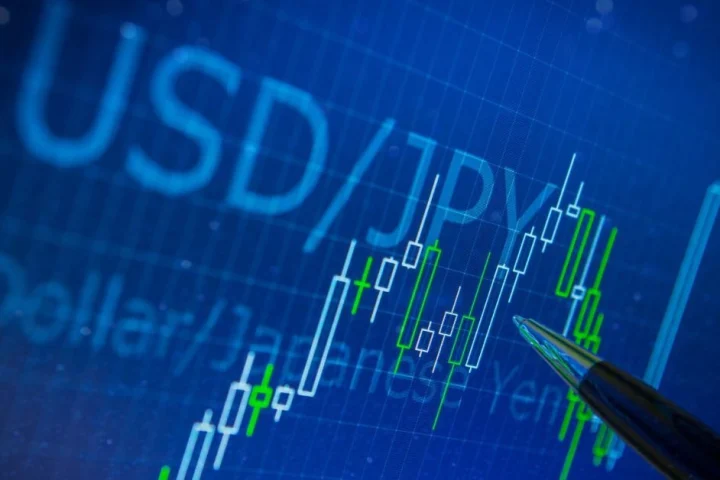
In currency markets, the dollar index rebounded slightly after a steep overnight slide. The euro slipped 0.14% to $1.1711, reversing part of Tuesday’s gain. The Swiss franc, another safe-haven asset, weakened against the dollar. The yen held steady at 157.88 per dollar ahead of the Bank of Japan’s policy meeting. While no rate hike is expected Friday, officials may hint at a move as early as April.
Oil prices fell despite a temporary halt in output from two large fields in Kazakhstan. Geopolitical uncertainty and expectations of rising U.S. crude inventories weighed on sentiment. Brent crude futures dropped 1.45% to $63.96 a barrel.
READ: JD Sports Reports Christmas Sales Decline Amid Volatile Demand