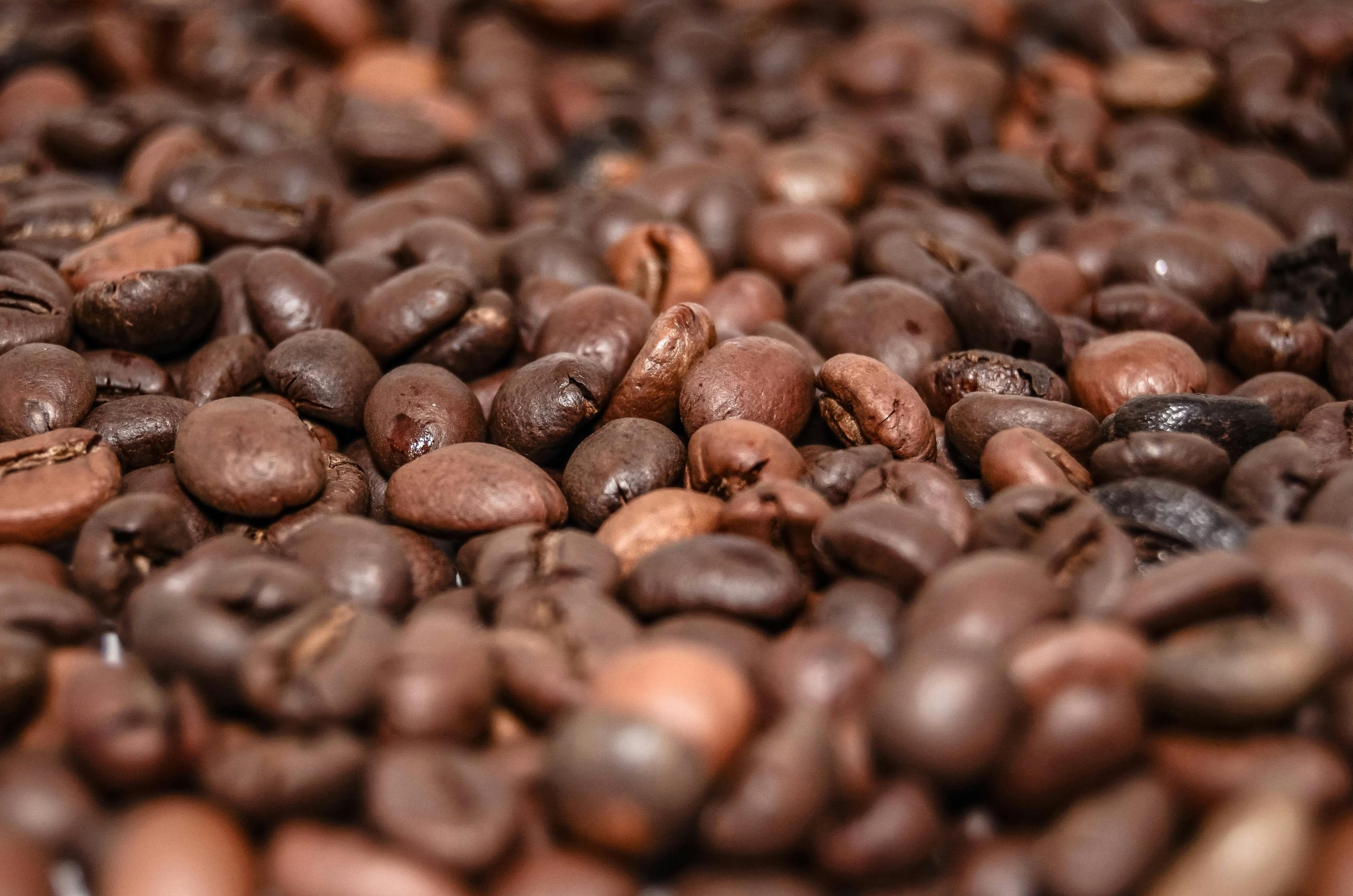
The global coffee industry, valued at over $16 billion, continues to grow, with coffee consumption reaching unprecedented levels. With more than 2 billion cups consumed worldwide every day, coffee is no longer a luxury but a daily necessity in many countries. This growing demand for coffee has created a significant opportunity for African coffee producers to expand their presence in the global market. As climate change negatively impacts traditional coffee-producing regions like South America, African nations are stepping up to meet the rising demand for high-quality coffee beans.
Africa’s Coffee Industry: A Bright Future
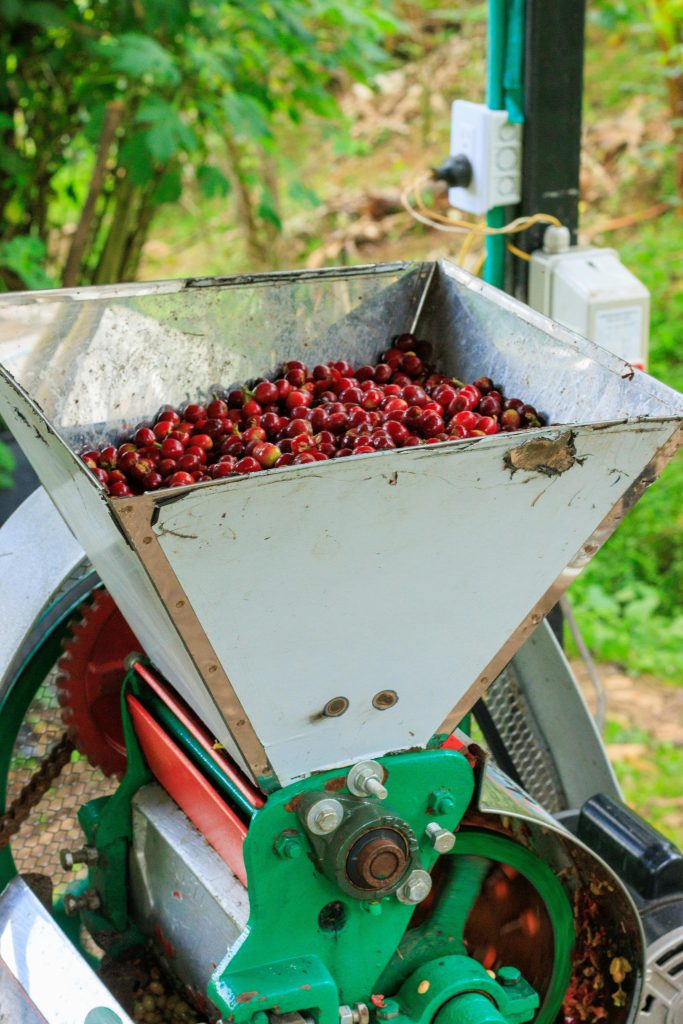
Africa has long been regarded as the birthplace of coffee, and its beans are considered among the finest in the world. Countries like Ethiopia, Kenya, Uganda, Rwanda, and Tanzania produce some of the highest-quality coffee, prized for its unique flavors and diverse strains. Ethiopia, for example, is renowned for its 5,000 different strains of Arabica coffee, a stark contrast to the 20 strains produced by countries like Brazil and Colombia.
The demand for African coffee has surged in recent years, with European and American markets seeking premium, specialty coffee beans. As the demand for coffee rises globally, African countries are positioning themselves to capitalize on this growing market by focusing on quality over quantity. Despite being smaller producers compared to countries like Brazil and Vietnam, African coffee beans have the advantage of superior taste, thanks to the continent’s ideal growing conditions, such as rich soil, high altitudes, and favorable climates.
The Global Coffee Market: An Opportunity for Africa
The global coffee market is expected to exceed 200 million bags of coffee annually by 2030, according to industry reports. While South American coffee producers have historically dominated the global market, the impact of climate change is beginning to take its toll. Brazil and other traditional coffee-growing countries are seeing a decline in production due to extreme weather patterns, making way for Africa’s coffee industry to seize the opportunity.
Africa currently accounts for approximately 12% of the world’s coffee production, but the potential for growth is enormous. Sub-Saharan Africa, in particular, is blessed with perfect climatic conditions for coffee farming. Countries like Ethiopia and Uganda are already leading the charge, producing high-quality beans that are in demand globally. With an abundance of untapped land suitable for coffee cultivation, Africa has the capacity to significantly increase its coffee production in the coming years.
Africa’s Coffee Giants: Ethiopia and Uganda Leading the Way
Ethiopia and Uganda dominate East Africa’s coffee industry, accounting for 62% of sub-Saharan Africa’s coffee output. Ethiopia, as the birthplace of Arabica coffee, has long been regarded as the top coffee exporter in Africa, with its Yirgacheffe, Sidamo, and Harar varieties highly sought after by coffee enthusiasts worldwide. The country’s coffee exports were valued at over $1.2 billion in 2021, solidifying its position as a leader in the global coffee market.
Uganda, on the other hand, has seen impressive growth in both production and exports in recent years. In 2021, Uganda recorded a 36% increase in coffee production and a 15% rise in exports. This growth is a direct result of the country’s efforts to explore new markets and increase its share of the international coffee trade. With more than 5.4 million hectares of land available for coffee cultivation, Ethiopia has the potential to expand its coffee production significantly in the coming years.
The Specialty Coffee Revolution
The growing demand for specialty coffee has opened up new avenues for African coffee producers. Specialty coffee, defined by its unique flavor profiles and high-quality production methods, is in high demand in Europe, North America, and increasingly in Asia. Consumers in these markets are willing to pay a premium for coffee that stands out in terms of flavor, sustainability, and ethical sourcing.
African countries, particularly Ethiopia, Kenya, and Rwanda, have become known for their high-end specialty coffee beans, which are often grown at high altitudes in small-scale, family-owned farms. These beans are typically handpicked, ensuring that only the highest quality beans are selected. As consumers become more discerning in their coffee preferences, the demand for African specialty coffee is expected to rise, creating lucrative opportunities for local farmers and exporters.
The Challenges: From Raw Beans to Processed Coffee
While Africa’s coffee industry is thriving, there are still challenges to overcome. One of the biggest hurdles African coffee producers face is the export of raw beans rather than processed, ready-to-consume coffee. Most African nations export their coffee in its raw form, leaving the value-added processing, roasting, and packaging to multinational companies in developed markets.
As a result, African coffee producers only capture a small portion of the global coffee industry’s profits. Multinational companies like Nestlé and Starbucks dominate the coffee value chain, taking the lion’s share of the profits from coffee sales in Europe and the United States. To increase their market share and profitability, African coffee producers must invest in processing infrastructure, such as roasters and packaging facilities, to add value to their products before export.
Investment Opportunities in Africa’s Coffee Industry
Despite these challenges, there are significant investment opportunities within Africa’s coffee industry. As the global demand for coffee continues to rise, the continent’s coffee producers stand to benefit from the increasing market share available in developed economies. Investors who recognize the potential of African coffee can capitalize on this growing demand by supporting initiatives that help African coffee farmers improve their production methods, access new markets, and increase the value of their exports.
For example, Ethiopia has the potential to expand its coffee production by utilizing the vast amount of land available for cultivation. The country could significantly increase its coffee exports by improving its farming practices and investing in modern infrastructure. Similarly, Uganda’s coffee sector is poised for further growth, with the country’s increasing share of the global coffee market offering exciting opportunities for investors.
Moreover, as African coffee producers begin to process more of their coffee locally, there is a growing opportunity for investment in coffee processing facilities. Establishing coffee roasters and packaging plants in African countries would allow producers to capture more of the value-added profit and create jobs within the local economy.
Africa’s Coffee Industry in the Global Market
Africa’s coffee industry is on the brink of a major transformation. With rising global demand, favorable growing conditions, and an increasing focus on specialty coffee, African coffee producers have the potential to become dominant players in the global market. However, to fully capitalize on this opportunity, African countries must continue to invest in infrastructure, processing capabilities, and market expansion.
The next five years will be crucial for Africa’s coffee industry, with production expected to double in that time. If African coffee producers can meet the growing demand for high-quality beans and increase the value of their exports, the continent will undoubtedly secure its place as a leading coffee exporter in the world.