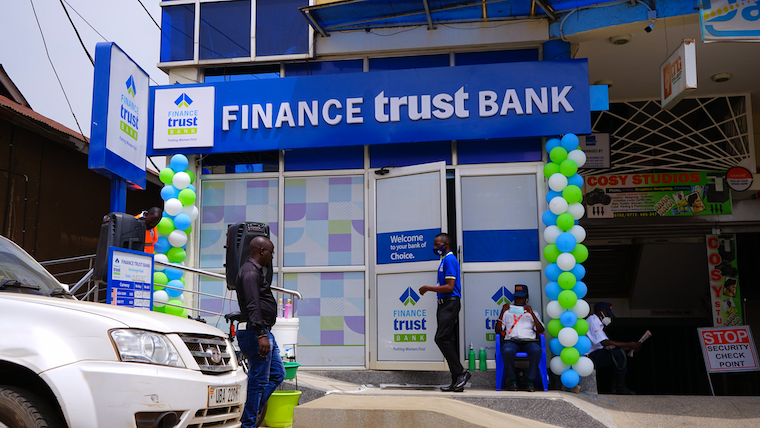
The Bank of Uganda has approved Finance Trust Bank’s downgrade from a Tier I commercial bank to a Tier II credit institution, effective April 1, 2026. This decision will restrict the range of services the bank can offer, in line with Uganda’s banking laws.
The central bank’s statement confirmed the change, saying Finance Trust Bank would transition to a Tier II credit institution licence. This move limits the bank to deposit-taking and lending services primarily for individuals, small traders, farmers, and MSMEs. The bank will no longer offer cheque accounts, trade finance products, or some cross-border banking services, which remain exclusive to Tier I commercial banks.
Transition Period for Finance Trust Bank
Finance Trust Bank will have a three-month transition period, running from January 1 to March 31, 2026. During this time, the bank will align its operations with the new requirements for a Tier II licence. The central bank emphasized that the phased approach will help avoid service disruptions.
The Bank of Uganda reassured customers that the transition would not affect deposits or loans. Customers will still have access to savings accounts, fixed deposits, and loans. However, some commercial banking services, such as cheque accounts and certain foreign exchange services, will no longer be available.
Reason Behind the Downgrade
Finance Trust Bank’s Board of Directors made the decision to downgrade. They believe it will allow the bank to better serve its core customers—women entrepreneurs, rural communities, and small businesses. This strategic shift also allows the bank to avoid the higher costs associated with a Tier I commercial bank licence.
Despite the downgrade, Finance Trust Bank saw a 178% increase in profits in 2024, reaching Shs10.3 billion. Operating as a Tier II institution will enable the bank to focus on its traditional niche while maintaining financial stability.
Uganda’s Banking Sector Reforms
The downgrade fits into Uganda’s broader banking sector reforms. In 2024, the Bank of Uganda revised capital requirements, requiring commercial banks to hold a minimum of Shs150 billion in capital, while credit institutions must hold at least Shs25 billion. These changes have prompted several banks to downgrade, while others have opted for mergers or capital injections to maintain their Tier I licences.
The Bank of Uganda stated that these reforms are aimed at improving the resilience of the financial system and ensuring sustainable operations for financial institutions.
Read Also
Uganda’s Robust Economy in 2026
Uganda’s Internet Shutdown Impact
Uganda’s Internet Shutdown Explained
Looking Ahead
Finance Trust Bank will focus on serving its core markets as it adjusts to its new status as a Tier II credit institution. This move reflects the broader shift in Uganda’s banking sector, as banks adapt to new regulatory frameworks. While the downgrade limits some services, it allows the bank to concentrate on its niche and ensure long-term stability. The shift supports Uganda’s efforts to build a sustainable and resilient financial system.