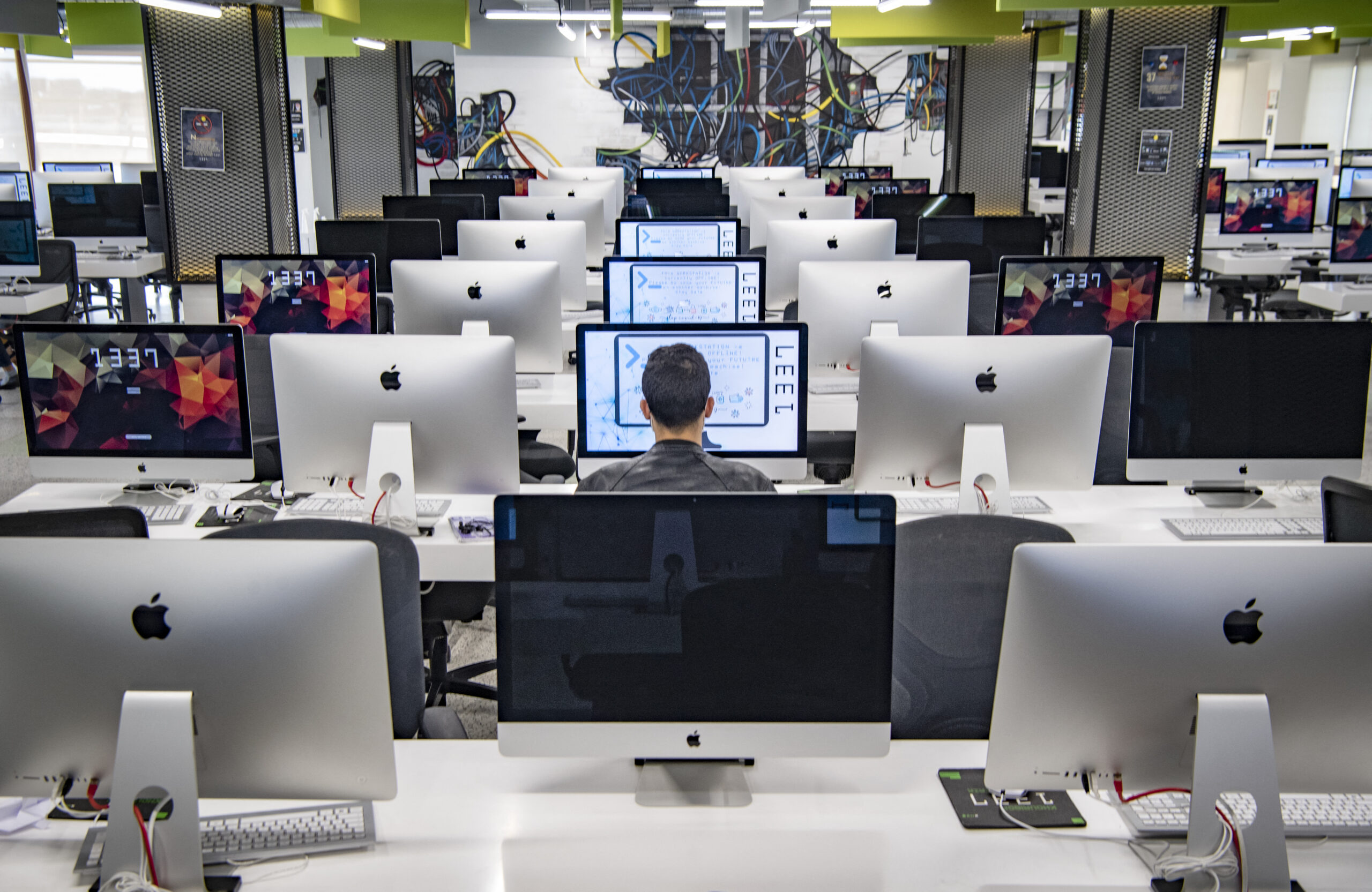
Morocco is moving to decentralize artificial intelligence development by establishing a network of regional AI hubs across the country. The initiative reflects a broader ambition to ensure that the benefits of emerging technologies are not confined to major urban centers but extend to smaller cities and underserved regions.
As governments across Africa debate how to harness artificial intelligence for inclusive growth, Morocco is positioning itself as a proactive player. Policymakers believe that building localized AI institutes will help tailor technology solutions to national priorities while addressing employment and regional development gaps.
A National Approach to Artificial Intelligence
Artificial intelligence has become a central pillar of global digital transformation. From automation and predictive analytics to smart agriculture and public service delivery, AI promises efficiency gains and new economic opportunities. However, in many African nations, access to advanced technologies remains concentrated in capital cities and established tech clusters.
Morocco’s strategy seeks to counter that trend by distributing AI capacity geographically. Rather than limiting research and innovation to Rabat or Casablanca, the government plans to develop multiple hubs that can train talent, incubate startups, and collaborate with regional industries.
The objective is not only technological modernization but also socio-economic balance. By embedding AI expertise across different regions, authorities hope to stimulate local economies and reduce disparities between urban and rural areas.
Addressing Employment Pressures
Morocco faces persistent employment challenges, particularly among young people. Youth unemployment remains a pressing issue despite steady investments in infrastructure and industrial expansion. Policymakers see digital transformation as one avenue for job creation and economic diversification.
AI hubs are expected to play a role in workforce development by offering training programs, research opportunities, and partnerships with private-sector companies. By equipping graduates and professionals with advanced digital skills, Morocco aims to prepare its labor force for the evolving demands of a technology-driven economy.
The emphasis is on adaptation rather than simple importation of foreign models. Officials have indicated that AI solutions must align with local realities, including language diversity, agricultural patterns, public service structures, and regional economic priorities.
Tailoring AI to Local Needs
One of the central arguments behind the regional hub model is that AI applications must reflect context. Technologies designed for advanced economies do not always translate seamlessly into African environments.
Morocco’s proposed AI institutes will likely focus on areas such as smart agriculture, water resource management, renewable energy optimization, health diagnostics, and public administration efficiency. These sectors are closely tied to national development objectives and present opportunities for targeted AI integration.
Localized research and innovation could enable Moroccan developers to build tools specifically suited to domestic conditions, rather than relying solely on imported software platforms.
Strengthening Academic and Industry Collaboration
Universities are expected to serve as foundational pillars of the AI hub initiative. Morocco already hosts several institutions with growing capabilities in engineering and digital sciences. By integrating academic research with industrial partnerships, the government hopes to create ecosystems that nurture innovation from concept to commercialization.
Collaboration between public institutions and private firms may accelerate product development and market adoption. Startups emerging from these hubs could benefit from mentorship, funding access, and regulatory support.
Such ecosystems also position Morocco as a regional technology node within North Africa and potentially across the broader African continent.
Balancing Opportunity and Risk
While AI presents economic promise, it also introduces concerns about job displacement and inequality. Automation can improve efficiency but may reduce demand for certain categories of labor.
Moroccan policymakers appear aware of these risks. By embedding training and skills development within the hub strategy, the government aims to mitigate potential negative effects. Preparing workers to adapt to new roles in data analysis, AI system management, and digital services is viewed as essential.
Moreover, establishing multiple hubs across the country could prevent excessive concentration of high-skilled jobs in a single metropolitan area.
Positioning Morocco in the Global AI Landscape
Morocco’s initiative arrives amid intensifying global competition in artificial intelligence. Major economies are investing heavily in AI research, semiconductor development, and digital infrastructure.
By launching a distributed network of AI centers, Morocco signals its intent to participate actively in this technological shift rather than remain a passive consumer of external innovations.
The strategy may also attract foreign investment and partnerships. Multinational technology firms often seek local collaborators and skilled workforces when expanding into new markets. A coordinated national AI ecosystem could enhance Morocco’s appeal as a regional technology destination.
A Broader African Context
Across Africa, policymakers are grappling with how to ensure that artificial intelligence contributes to inclusive growth rather than widening digital divides. Countries such as Kenya, South Africa, Nigeria, and Egypt have advanced technology sectors concentrated in major cities. Extending benefits beyond those urban hubs remains a challenge.
Morocco’s regional AI hub model represents one approach to decentralization. If successful, it could serve as a template for other nations seeking to combine digital transformation with regional development.
By investing in education, infrastructure, and research capacity across multiple provinces, Morocco aims to embed artificial intelligence within the fabric of its broader economic strategy.