Uganda UN report South Sudan tensions have escalated after Kampala rejected a United Nations investigation accusing its air force of bombing communities in South Sudan. The Ugandan government described the findings as incomplete and criticised media reports for failing to present its position.
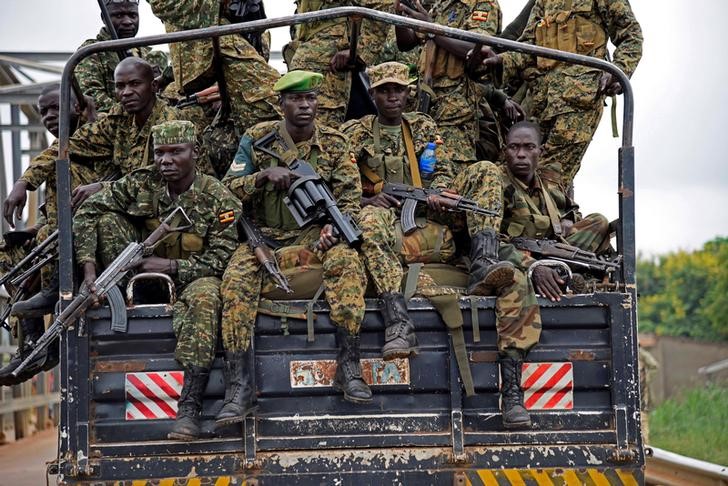
The dispute follows the release of a report by the UN Commission on Human Rights on February 27. The document alleged that Uganda’s air force used improvised incendiary devices during operations in South Sudan. It also claimed the Uganda People’s Defence Forces deployed infantry units to support South Sudanese forces in ground offensives targeting areas linked to the Nuer community.
Uganda strongly rejected those accusations. Military officials said the operation in South Sudan remains legitimate and was carried out at the request of the government in Juba.
The military intervention began in March 2025 during Operation Mlinzi wa Kimya. Uganda deployed air force commandos and ground forces after South Sudan President Salva Kiir requested assistance. The deployment aimed to stabilise the government following rising tensions within the fragile power-sharing arrangement between Kiir and First Vice-President Riek Machar.
The political dispute intensified after a militia aligned with Machar attacked a military garrison near the Ethiopian border. The incident raised fears that the delicate peace deal between the two leaders could collapse.
Ugandan army spokesperson Col Chris Magezi defended the operation. He said the deployment received approval from Uganda’s parliament and followed an invitation from South Sudan’s sovereign government.
Magezi also rejected claims that the Ugandan army targeted civilians. According to him, the UPDF has maintained a strong record during decades of military operations in the region.
Despite those assurances, opposition politicians in South Sudan have accused the Ugandan air force of supporting government forces in attacks on civilian areas. Critics claim the operations in Upper Nile state involved bombardments aimed at weakening Machar-aligned White Army militias.
The allegations intensified political tensions inside South Sudan. In June, South Sudanese politician Dei Tut Weang Khor resigned from the Transitional National Legislative Assembly. Khor represented Nasir County, the area at the centre of the conflict.
He also stepped down from the Pan-African Parliament. The politician said he faced a moral dilemma serving a government he accused of bombing its own citizens.
Reports from local media later suggested Ugandan forces shifted part of their mission to humanitarian activities. Air force units began delivering emergency food aid to communities in Upper Nile state where thousands of displaced civilians faced severe shortages.
However, critics argued the humanitarian effort attempted to divert attention from the earlier accusations of civilian airstrikes.
Ugandan officials rejected that interpretation. Col Magezi said the aid deliveries took place after the South Sudan government requested assistance to address worsening food shortages.
He added that the humanitarian operations would continue until conditions improve in the affected areas.
The UN report nevertheless raised concerns about the broader impact of the military campaign. Investigators said air strikes and ground operations caused widespread destruction, including civilian casualties and damage to homes.
The report also suggested Uganda’s involvement could breach the United Nations arms embargo imposed on South Sudan.
Ugandan authorities strongly disputed those conclusions. Officials argue that their military presence has helped prevent wider violence and maintain stability in Juba.
Magezi said the UPDF has carried out peace support operations across the region, including missions in Somalia and eastern Democratic Republic of Congo. According to him, Uganda’s involvement in South Sudan seeks to prevent further conflict and support ongoing political dialogue.
The Uganda UN report South Sudan dispute now adds another layer of tension to an already fragile regional security situation. As investigations and political debates continue, the role of foreign forces in South Sudan remains a sensitive issue across East Africa.