The Iran ceasefire deal has paused weeks of conflict and eased pressure on global markets. It signals a fragile shift in Middle East geopolitics.
After six weeks of intense fighting, the United States and Iran agreed to a two-week truce. Pakistan helped broker the agreement. The announcement came just hours before a key deadline tied to the Strait of Hormuz.
The Iran ceasefire deal stops hostilities that began in late February. During that period, tensions rose sharply across the region. President Donald Trump called the outcome a complete victory. However, the situation remains complex.
Iran still holds its nuclear capabilities and missile systems. Its leadership remains in control. Despite heavy pressure, there is no sign of internal collapse. This reality weakens claims of a decisive outcome.
Iran’s foreign minister said Tehran would stop counter-attacks. It will also allow safe passage through the Strait of Hormuz. However, this depends on other forces halting their strikes. This condition shows how fragile the Iran ceasefire deal is.
The Strait of Hormuz remains central to the crisis. It carries nearly one-fifth of global oil and gas shipments. During the conflict, disruptions pushed oil prices higher. Markets reacted quickly to supply fears.
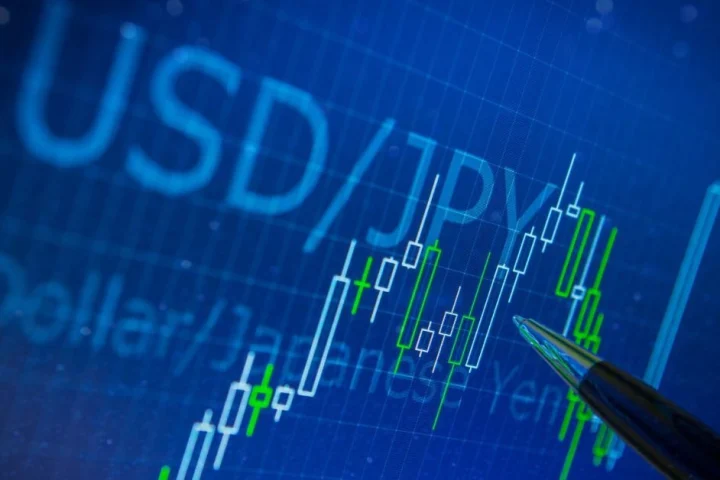
When news of the Iran ceasefire deal broke, oil prices dropped. At the same time, stock markets rose across regions. Investors responded with renewed confidence. The shift reflected hopes for stability.
Still, shipping companies remain cautious. Many have not resumed full operations. They continue to assess security risks. This hesitation shows that trust has not fully returned.
Political reactions have been mixed. In Israel, leaders supported the pause in strikes. However, critics called the outcome a failure. They argue that Iran’s military strength remains intact.
Some analysts believe Iran gained strategic ground. It showed it can disrupt global energy flows. This ability could shape future power dynamics in the region.
Inside Iran, citizens reacted with both relief and doubt. Many welcomed the pause in violence. Others questioned how long the agreement would last. This uncertainty surrounds the Iran ceasefire deal.
Several key issues remain unresolved. The United States wants limits on Iran’s nuclear program. It also demands restrictions on missile development. Iran, on the other hand, seeks sanctions relief and compensation.
The ceasefire also excludes some conflict zones. Israeli strikes in Lebanon have continued. Reports show ongoing attacks and casualties. This limits the reach of the Iran ceasefire deal.
The economic impact has been immediate. Oil prices dropped as supply fears eased. Global markets responded with strong gains. Investors saw a short-term return to stability.
However, analysts warn this may not last. Any breakdown in talks could trigger new shocks. Markets remain sensitive to developments in the region.
The conflict exposed weaknesses in global energy systems. It highlighted reliance on Middle Eastern routes. Many countries may now rethink energy strategies.
Diplomatic talks are expected soon in Islamabad. Leaders will try to resolve key disputes. These include nuclear activity and sanctions. The outcome will shape the future of the Iran ceasefire deal.
The coming weeks will be critical. Even a small incident could restart conflict. Both sides remain cautious and alert. The ceasefire offers only temporary calm.
The Iran ceasefire deal marks a major geopolitical moment. It has already influenced markets and diplomacy. While fragile, it opens a path for dialogue. Whether that path holds remains uncertain.