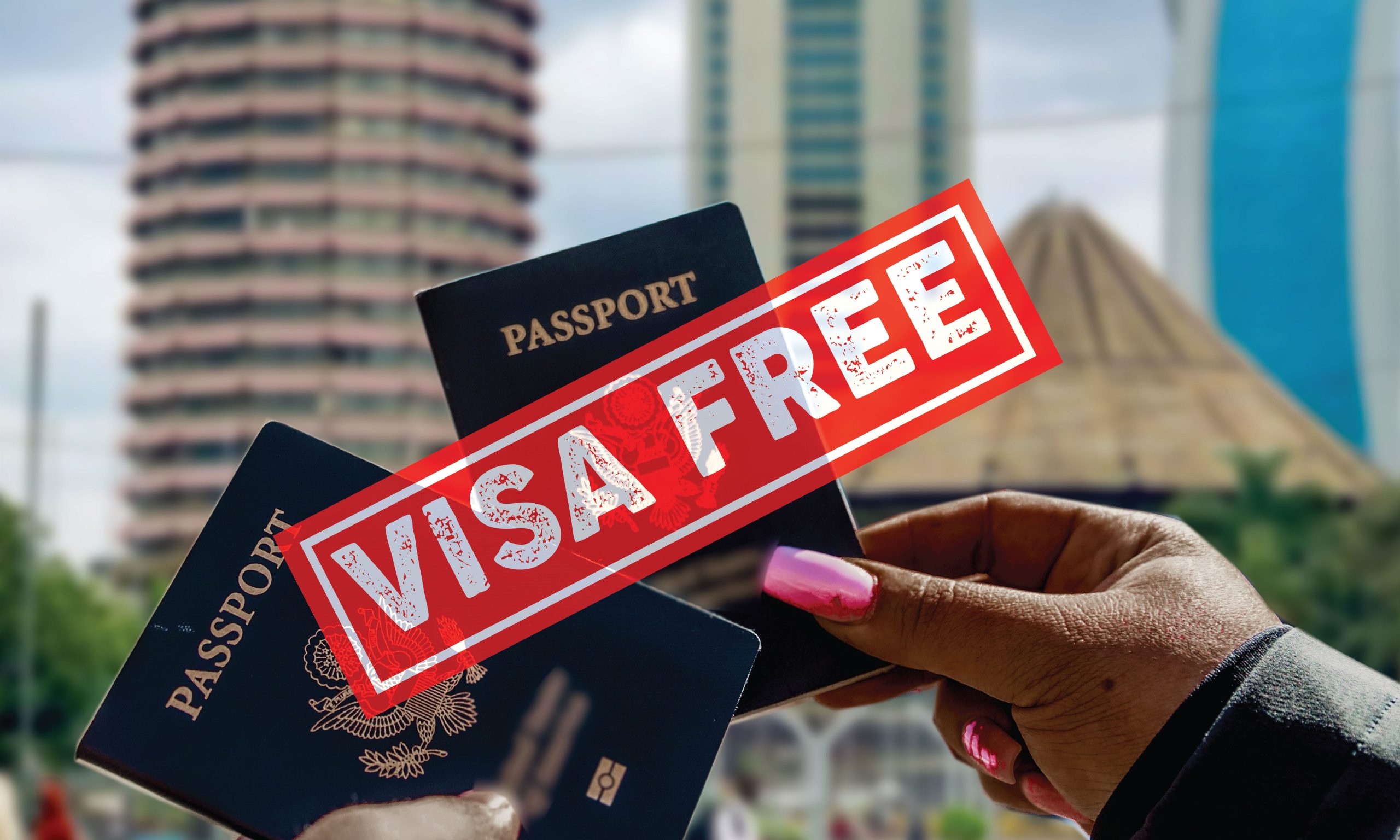
The push for visa-free Africa is gaining urgency as business leaders and policymakers call for faster action to unlock trade, tourism, and economic growth across the continent. Supporters argue that removing travel barriers could transform Africa’s economic landscape and strengthen regional integration.
Across Africa, restrictions on movement continue to limit opportunities. While the African Continental Free Trade Area promises a $3.4 trillion market, experts say its full potential remains out of reach without easier mobility for people.
Industry leaders point to aviation as one of the sectors most affected. Mesfin Bekele, head of Ethiopian Airlines, said visa liberalisation is critical to boosting intra-African travel. He noted that demand for travel within Africa remains low compared to international routes.
This imbalance has real consequences. More than 35 percent of passengers traveling between Africa and the rest of the world use non-African airlines, while African carriers capture only about 30 percent of that market. Therefore, improving mobility within the continent could help local airlines grow and compete more effectively.
Advocates of visa-free Africa argue that easier travel would increase demand for flights, reduce ticket prices, and stimulate economic activity. In addition, stronger air connectivity would support tourism and business expansion across borders.
However, progress remains slow. Although the African Union introduced a protocol on the free movement of persons, only a handful of countries have ratified it. This limited adoption raises concerns about the continent’s readiness to fully embrace integration.
Ras Mubarak stressed that governments must move faster if they aim to achieve visa-free Africa by 2030. He argued that while countries may lose visa revenue, they would gain more through tourism, trade, and job creation.
Some policymakers propose interim solutions. Mohi El Din Salem suggested using digital tools such as interoperable identification systems and electronic visas. These measures could ease travel restrictions while addressing security concerns.
At the same time, trade experts warn that removing tariffs alone will not drive growth. Elizabeth Ofosu-Adjare said businesses need to meet face-to-face to build partnerships and expand operations. Therefore, mobility remains essential for economic development.
Regional blocs show that progress is possible. For example, the East African Community allows visa-free travel for its members and has introduced a shared passport system. Similarly, some Southern African countries permit cross-border travel using national identity cards.
Even so, continent-wide adoption of visa-free Africa policies still faces resistance. Legacy systems, political concerns, and varying national priorities slow implementation. As a result, integration efforts often remain fragmented.
Business leaders also emphasize the need for broader public engagement. Gabby Asare Otchere-Darko argued that integration must move beyond elite discussions and involve everyday citizens. His organization has launched a campaign to gather millions of signatures in support of open borders.
The case for visa-free Africa extends beyond travel convenience. It represents a shift toward a more connected and competitive continent. By enabling people to move freely, governments can support trade, innovation, and job creation.
Looking ahead, the success of this initiative will depend on political will and practical implementation. While challenges remain, momentum is building. More stakeholders now recognize that economic integration requires not just open markets, but also open borders.
Ultimately, visa-free Africa could redefine how the continent operates. If leaders act decisively, it may unlock opportunities that have long remained out of reach and position Africa for stronger, more inclusive growth.