In recent years, the United Arab Emirates (UAE) has emerged as a dominant player in the African renewable energy sector. With its strategic investments and forward-thinking approach, the Gulf nation has become a key partner for many African countries in their pursuit of sustainable energy solutions. This growing influence is particularly evident through the UAE’s increasing role as a central hub for the continent’s renewable energy initiatives, positioning itself as an essential player in shaping Africa’s energy future.
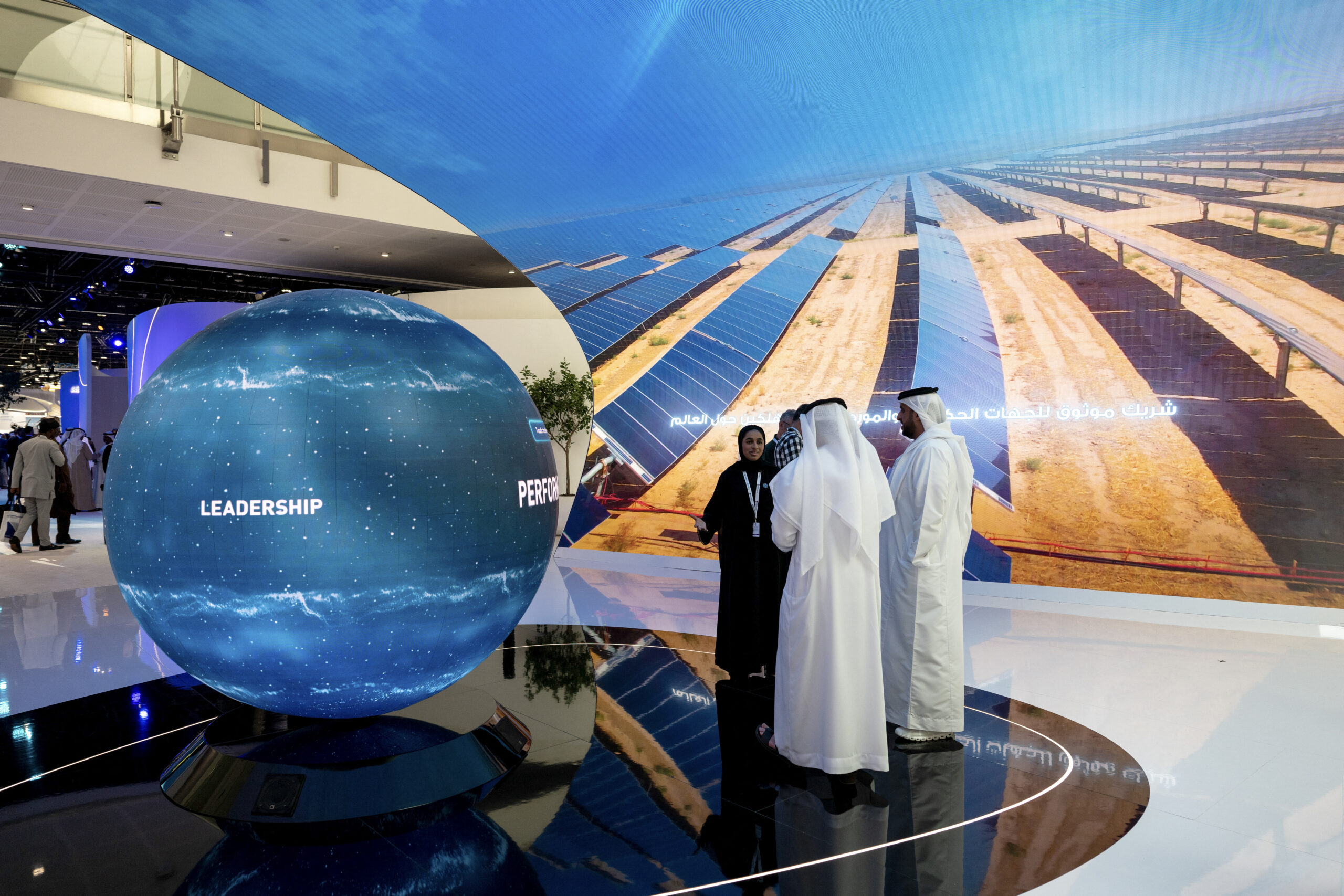
In mid-January, the UAE once again hosted the Abu Dhabi Sustainability Week, a high-profile event that attracted several African leaders. South Africa’s President Cyril Ramaphosa, Nigeria’s President Bola Tinubu, and Mozambique’s President Daniel Chapo were among the heads of state who attended this year’s summit. The fact that this event has become a regular fixture on the global sustainability calendar highlights the UAE’s growing importance in the energy transition space, both regionally and globally.
UAE’s Growing Influence in Africa’s Renewable Energy Landscape
The UAE’s increasing prominence in African renewables is largely driven by its investments in key energy projects and partnerships across the continent. Over the past decade, the Gulf nation has recognized Africa’s vast renewable energy potential, especially in solar and wind energy. With countries like South Africa, Egypt, and Morocco already leading the way in renewable energy development, the UAE has strategically positioned itself as both a financial backer and a technical advisor in these countries’ renewable energy sectors.
One of the standout initiatives in the UAE’s renewable energy efforts is the involvement of Masdar, the UAE’s flagship renewable energy company. Masdar has played a significant role in a number of large-scale renewable energy projects across Africa, including the development of solar and wind farms in countries such as Egypt, Kenya, and Mauritania. These projects are not only helping to meet Africa’s growing energy demands but also contribute to the continent’s shift toward cleaner energy sources.
A Strong Strategic Focus on Solar and Wind Energy
Solar and wind energy are at the heart of Africa’s energy future, and the UAE has been instrumental in funding and facilitating large-scale projects in both sectors. The African continent boasts some of the best solar resources in the world, with many regions receiving up to 10 hours of sunlight per day. The UAE, recognizing this vast untapped potential, has been active in financing solar farms and other renewable infrastructure projects, working with local governments to ensure that these projects meet both sustainability and economic goals.
One of the most notable collaborations between the UAE and Africa in recent years is the development of the Benban Solar Park in Egypt, one of the largest solar farms in the world. The UAE’s involvement in the Benban project is a clear example of the strategic partnership between the two regions, combining financial resources with technical expertise to address Africa’s energy challenges. Similarly, the UAE has been pivotal in the development of wind energy projects in countries such as Morocco and Kenya, further solidifying its role as a leading investor in Africa’s renewable energy sector.
Diplomatic Efforts and Policy Alignment
The UAE’s involvement in Africa’s renewable energy sector is not limited to business investments. The Gulf nation has also used diplomacy as a key tool to strengthen ties with African countries, particularly in the field of energy. Through summits like the Abu Dhabi Sustainability Week, the UAE has provided a platform for African leaders to collaborate on renewable energy projects, share best practices, and align on policies that support sustainable growth.
At the 2026 Abu Dhabi Sustainability Week, African leaders reiterated their commitment to scaling up renewable energy development across the continent. The event serves as a reminder of the importance of international cooperation and the role the UAE plays in facilitating these discussions. The UAE’s leadership in renewable energy policy aligns with Africa’s broader goals of achieving energy independence and reducing reliance on fossil fuels, creating a mutually beneficial partnership.
Diversifying Investment Across the African Continent
While the UAE’s involvement in renewable energy projects is concentrated in a few key countries, its reach is steadily expanding across the continent. From North Africa to sub-Saharan Africa, the UAE has invested in a variety of renewable energy initiatives that span the full spectrum of energy needs, from large-scale power plants to off-grid solar solutions for rural communities.
In West Africa, the UAE’s energy investments are helping to meet growing energy demands while also contributing to job creation and economic development. In addition to solar and wind projects, the UAE has shown increasing interest in hydropower and geothermal energy in countries like Ethiopia, Nigeria, and Tanzania. The UAE’s approach to energy investment is not just about providing capital; it’s also about creating a long-lasting impact through technology transfer, local partnerships, and capacity-building initiatives that empower African nations to take control of their energy futures.
Financial and Technical Support for Africa’s Energy Transition
The UAE has also leveraged its financial expertise to help African nations access the necessary funds to develop renewable energy projects. With global banks and international financial institutions increasingly focused on sustainability, the UAE’s government-backed entities like Masdar have facilitated loans and investments that make it easier for African governments and companies to finance large-scale renewable projects.
Furthermore, the UAE has partnered with global organizations, such as the United Nations and the World Bank, to provide technical support and training to African nations looking to expand their renewable energy capacity. This collaboration has helped ensure that Africa’s renewable energy sector is built on a foundation of strong governance, technical expertise, and sustainable practices.
The Future of UAE-Africa Energy Partnerships
As the world increasingly shifts toward cleaner energy, the role of the UAE in Africa’s energy transition will only grow in importance. By 2026, many African countries will be further along in their pursuit of renewable energy goals, and the UAE is expected to continue playing a central role in these developments. With global climate change policies pushing for greater investment in renewables, the UAE’s deepened engagement in Africa’s energy sector positions both regions for a future of shared prosperity and sustainable growth.
The growing UAE-Africa renewable energy partnership is not only about providing energy for today but also about investing in a sustainable future. For Africa, this collaboration offers a pathway to increased energy security, economic growth, and environmental sustainability. For the UAE, it represents an opportunity to solidify its position as a global energy leader, while reinforcing its reputation as a key partner in Africa’s renewable energy revolution.