The Sierra Leone illegal mansions scandal has exposed widespread environmental destruction. An investigation by The Associated Press and The Gecko Project reveals senior officials issued land documents illegally. Source: Joint investigation by AP and The Gecko Project, supported by Pulitzer Center.
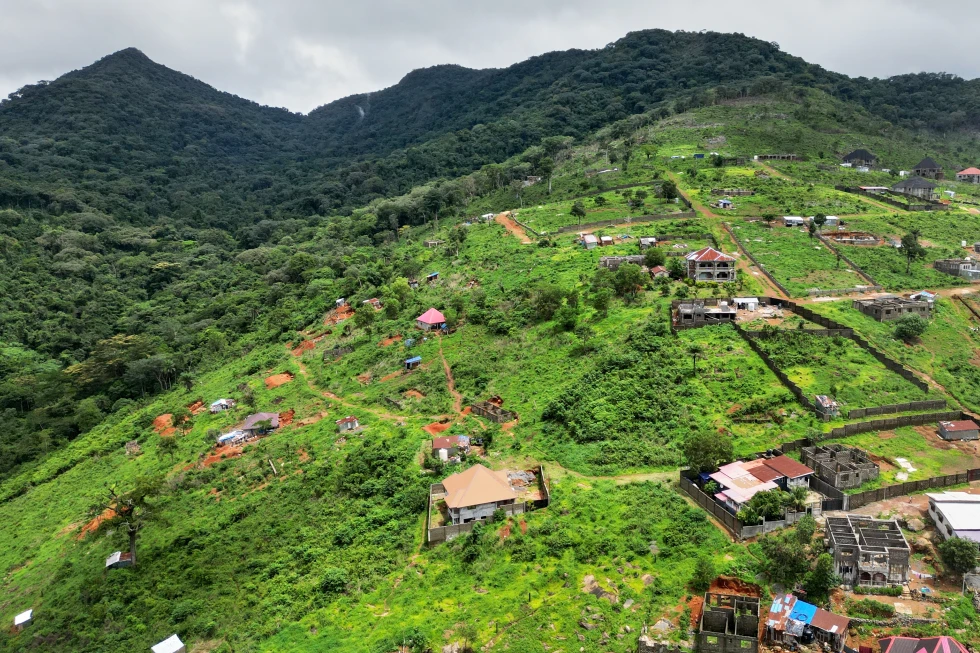
Construction continues in Bio Barray neighborhood today. At least 50 houses stand or rise within Western Area Peninsula National Park boundaries. These structures replaced rainforest as recently as 2019. The park serves as an environmental buffer for Freetown. Sierra Leone’s government proposed this area for UNESCO World Heritage status.
President Julius Maada Bio launched an inquiry in 2022. Consequently, investigators examined how illegal encroachment occurred. They analyzed satellite imagery and inspected permit documents. Furthermore, they discovered “widespread and indiscriminate clearing of forested areas.” The committee called deforestation “an environmental time bomb.”
Importantly, the investigation found officials encouraged encroachment for personal gain. Denis Sandy, then Lands Minister, signed at least 175 land lease documents. The report called this a “flagrant violation.” Additionally, the committee recommended punitive measures against Sandy and 16 others. Sandy now serves as minister of works and public assets.
The Sierra Leone illegal mansions threaten Freetown’s water supply. Above Bio Barray sits a reservoir providing 90% of the city’s water. Deforestation increases landslide risks near this critical infrastructure. A 2017 landslide on the park’s edge killed over 1,000 people. Therefore, protecting the park remains urgent for public safety.
Mayor Yvonne Aki-Sawyerr criticized the government’s inaction. She stated powerful people received permission to ignore the law. “They are being given permission, simple,” she added. Aki-Sawyerr, an environmentalist, plans to challenge Bio in the next election. Her comments highlight political tensions surrounding this issue.
Satellite imagery analysis confirms ongoing construction. Several new buildings emerged after officials received the investigation report. An AP visit last year found builders completing homes actively. Consequently, illegal development continues despite official promises. Current Chief Minister David Sengeh stated various bodies acted on findings. However, he would not confirm Cabinet-approved punishments.
The Anti-Corruption Commission head Ben Kaifala denied seeing the original findings. He stated no investigation had launched regarding these allegations. “Other institutions must do their job,” Kaifala said. Similarly, National Protected Area Authority director Thomas Kamara claimed unawareness of the report. Kamara was later removed for failing to address encroachment.
President Bio previously stated “nobody is above the law.” He added that even his family’s illegal homes would be demolished. Nevertheless, the Sierra Leone illegal mansions remain standing. An AP survey identified 46 villas inside park boundaries. Fourteen owners reportedly work in government positions. These include officials from the president’s office and land ministry.
The State Land Act allows transferring state land via letter. However, the Forestry Law bans construction in national parks. This legal contradiction enabled the Sierra Leone illegal mansions scandal. Officials knew “vast stretches” of state land were unlawfully occupied. Yet they remained “reluctant to act robustly for reasons unknown.”
Environmental experts warn of cascading consequences. Deforestation reduces water retention in soil. Consequently, dry season water shortages become more likely. Additionally, stripped hillsides increase flood and landslide risks. These threats endanger Freetown’s growing population directly. Therefore, enforcing park protections serves critical public interests.
The Sierra Leone illegal mansions case illustrates governance challenges. Powerful interests can override environmental regulations. Furthermore, institutional fragmentation hampers enforcement efforts. Different agencies hold overlapping responsibilities without clear accountability. This situation allows illegal activities to persist unchecked.
Legal analysts note that punitive recommendations require political will. The investigation’s findings reached the chief minister in September 2022. A year later, Bio’s office published a photo receiving the report. The statement mentioned “people in high places” without details. Bio promised action “very soon.” Yet tangible consequences remain elusive for those implicated.
Community members observe daily impacts from this encroachment. Builders work openly on new structures within park boundaries. Residents report seeing officials visit construction sites frequently. These observations suggest ongoing tolerance for illegal development. Consequently, public trust in environmental governance erodes further.
Addressing the Sierra Leone illegal mansions crisis demands coordinated action. First, authorities must halt all construction within park boundaries immediately. Second, they should prosecute officials who facilitated illegal land transfers. Third, restoration efforts must replant cleared forest areas. Finally, transparent monitoring systems can prevent future encroachment.
International partners can support these efforts significantly. UNESCO World Heritage designation could strengthen protection mechanisms. Additionally, development aid might fund park management capacity. However, lasting solutions require domestic political commitment primarily. Therefore, citizen engagement remains crucial for accountability.
As this story develops, observers watch for concrete actions. The Sierra Leone illegal mansions scandal tests governance commitments. Protecting critical ecosystems requires consistent enforcement regardless of status. Ultimately, Freetown’s environmental security depends on decisive leadership now.