Kenyan banks South Sudan operations have staged a notable comeback, with several lenders returning to profitability after years of turbulence in one of Africa’s most fragile markets. The rebound signals renewed momentum, but persistent political and economic risks continue to cloud the long-term outlook.
After struggling with hyperinflation, currency depreciation, and conflict-driven disruptions, Kenyan lenders in Juba are now reporting improved financial performance. However, analysts caution that this recovery rests on fragile foundations.
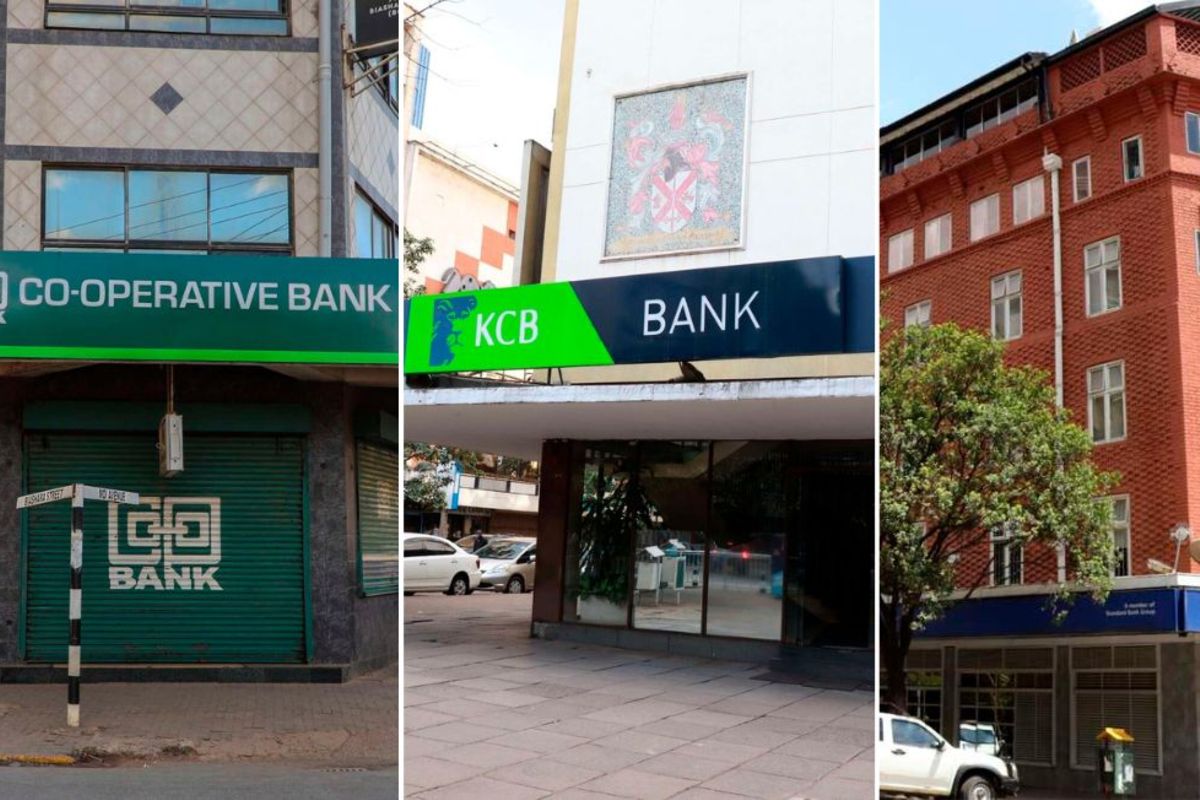
Recent audited results show that major regional players have recorded strong gains. Co-operative Bank posted a sharp rise in profit before tax, while KCB Group’s subsidiary returned to profitability after a loss in the previous year. Stanbic Bank also delivered growth, reflecting broader improvement across the sector.
The performance of Kenyan banks South Sudan reflects a mix of external and internal factors. A key driver has been the resumption of crude oil exports, which has injected liquidity into the economy. Oil revenues remain central to South Sudan’s fiscal position, and their return has supported banking activity and government spending.
Despite this progress, volatility in oil production and exports continues to pose a major risk. Any disruption could quickly reverse gains and tighten liquidity across the economy. Analysts warn that reliance on oil flows makes the banking sector highly vulnerable to external shocks.
Not all banks have benefited equally. Equity Group reported a loss, highlighting the uneven nature of the recovery. This divergence underscores the complexity of operating in South Sudan, where conditions can vary widely depending on strategy, partnerships, and exposure to government-related business.
The history of Kenyan banks South Sudan operations reveals just how challenging the market has been. Since entering the country after the 2005 peace agreement, lenders have faced repeated disruptions. Conflict forced branch closures, while currency instability eroded profitability and strained balance sheets.
Even now, macroeconomic conditions remain difficult. Inflation continues to rise, the South Sudanese pound faces persistent depreciation, and businesses struggle with limited access to foreign exchange. These factors complicate operations and increase the cost of doing business.
Policy unpredictability adds another layer of uncertainty. Frequent changes in key government positions, including finance ministers and central bank governors, have disrupted economic planning. Businesses often struggle to adapt to shifting policies, which affects investment confidence and operational stability.
The government’s reliance on banks for revenue collection also shapes the sector’s role. Co-operative Bank, for example, plays a critical part in mobilising non-oil revenues. This partnership provides opportunities but also exposes banks to fiscal pressures and political risks.
At the same time, South Sudan is attempting to diversify its economy beyond oil. Authorities are encouraging investment in sectors such as agriculture and mining, aiming to reduce dependence on a single revenue source. If successful, this shift could create new opportunities for Kenyan banks South Sudan to expand their services and client base.
However, ongoing conflict remains a significant threat. Renewed fighting in parts of the country has heightened concerns about security and stability. These developments risk undermining economic recovery and could disrupt banking operations once again.
Liquidity constraints continue to weigh heavily on the system. The central bank has already held emergency meetings with commercial banks to address cash shortages. Such measures highlight the fragile state of the financial sector and the urgency of stabilising conditions.
For Kenyan lenders, the appeal of South Sudan lies in its long-term potential. The country has a large unbanked population and significant natural resources, offering opportunities for growth if stability improves. This potential explains why banks continue to operate in the market despite persistent challenges.
Still, the sustainability of recent gains remains uncertain. Analysts argue that current performance may not hold if macroeconomic and political risks intensify. The dependence on government flows and oil revenues raises questions about whether the recovery reflects structural improvement or temporary relief.
Looking ahead, the trajectory of Kenyan banks South Sudan will depend on several factors. Political stability, consistent policy direction, and economic diversification will play critical roles in shaping the sector’s future. Without progress in these areas, banks may continue to face cycles of growth and disruption.
For now, the rebound offers cautious optimism. Kenyan banks have demonstrated resilience in a difficult environment, but the path forward remains uncertain. The balance between opportunity and risk continues to define their operations in South Sudan.