EACOP Pipeline Targets Technical Commissioning in 2026
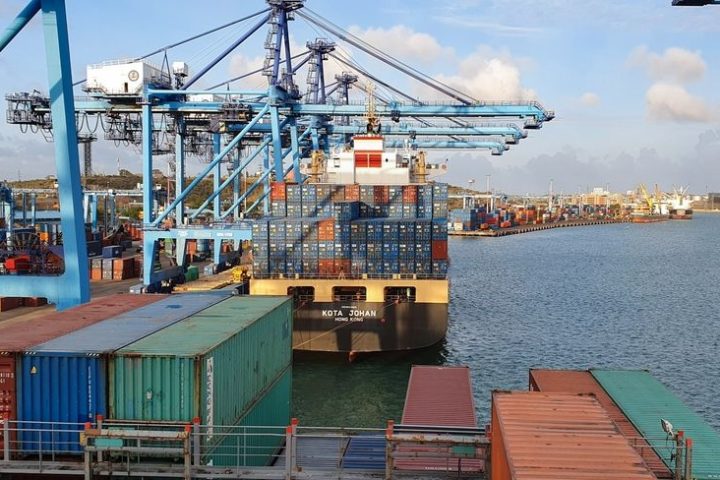
The East African Crude Oil Pipeline (EACOP) is on track for technical commissioning in July 2026, followed by political commissioning around October. This marks a significant step as Uganda and Tanzania prepare for the first oil export from one of Africa’s most strategic energy projects. The timeline was emphasized during a high-level inspection of the Marine Storage and Terminal (MST) facility in Tanga Region, Tanzania.
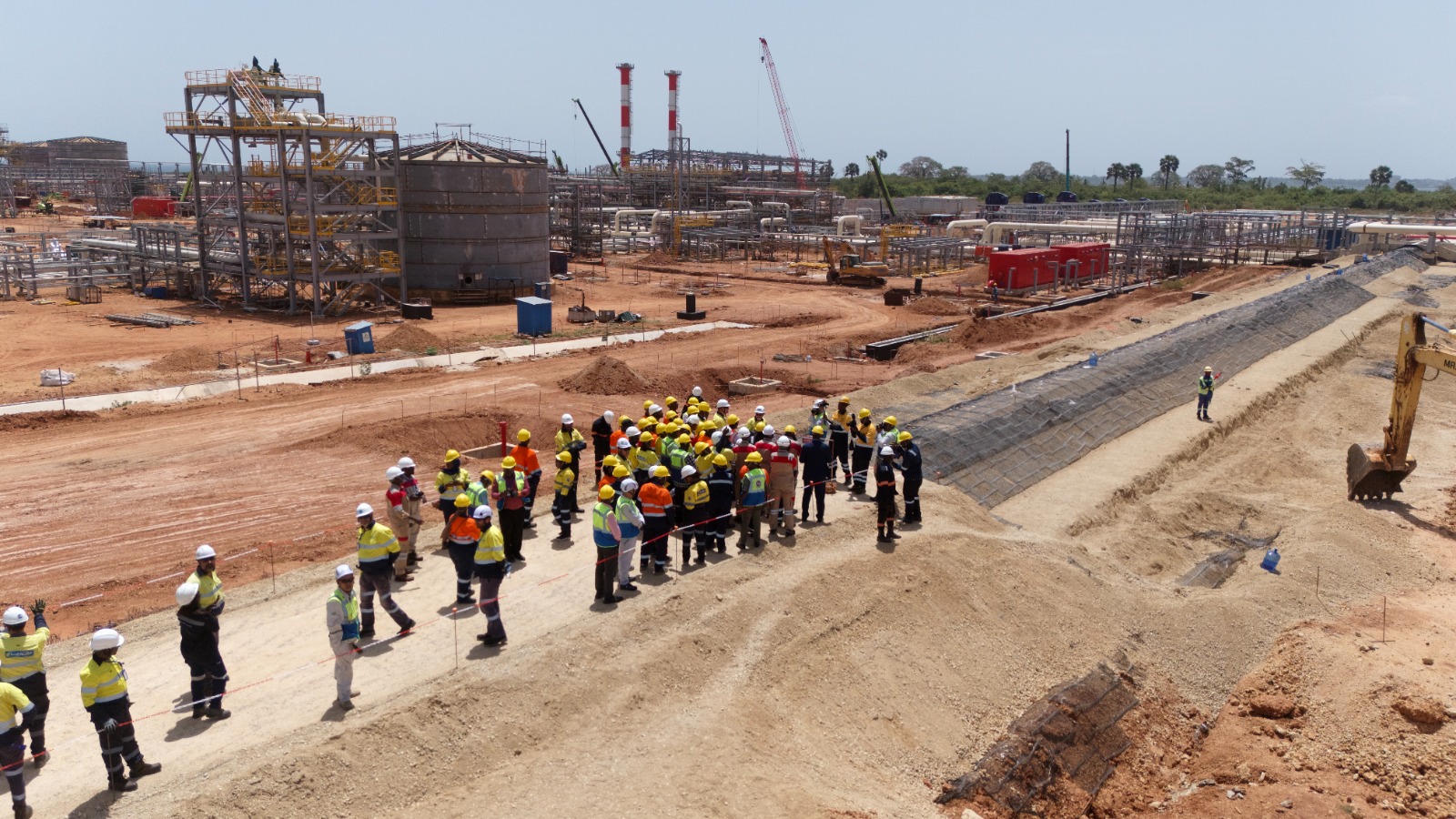
Uganda’s Minister of Energy, Ruth Nankabirwa Ssentamu, and Tanzania’s Deputy Minister of Energy visited the MST facility, the final export point for Uganda’s crude oil. The facility features four crude oil storage tanks, each with a capacity of two million barrels. It also includes export pumping systems and a power generation unit.
Read Also
Kenyan Firm Seeks to Block EABL Sale to Asahi
Kenyan Firm Seeks to Block EABL Sale to Asahi
Africa’s Critical Minerals Strategy for Energy Transition
Key Infrastructure and Progress
The MST facility will store Uganda’s crude oil before transferring it to the export jetty via a two-kilometre trestle. Key supporting infrastructure, such as Electrical, Instrumentation, Telecommunications, and Security (EITS) systems, is complete. Construction of the mooring and berthing dolphins is 85% finished.
The full commissioning of the MST facility will begin in the first quarter of 2026, with technical commissioning for the pipeline set for July. Afterward, heads of state from Uganda and Tanzania will lead the political commissioning in October. This milestone will mark Uganda’s entry into the global oil market.
EACOP: A Game-Changer for the Region
Nankabirwa called EACOP a transformative project for East Africa. She believes regional economies could double or even triple, thanks to capital inflows, job creation, skills development, and community support.
The pipeline’s 1,443-kilometre route passes through communities that have already benefited from improved roads, water supplies, and social infrastructure. Nankabirwa emphasized the importance of completing additional infrastructure, like the Kawanda substation, to ensure reliable renewable power for pipeline operations. Robust ICT systems will also be crucial for real-time monitoring.
Regional Collaboration and Economic Integration
The inspection visit underscored the strong political support and cooperation between Uganda and Tanzania. Both countries view EACOP as a cornerstone for energy development and regional integration.
Tony Otoa, Uganda National Oil Company’s Chief Communications Officer, described the Tanga terminal as the “end point” of Uganda’s crude oil journey. He highlighted the immense effort made by both East African nations and their people to bring the project to life.
EACOP promises to play a pivotal role in transforming East Africa’s energy landscape. It positions the region as a key player in the global oil market, with far-reaching impacts on energy development and economic growth.