Ivorian journalist Mamadou Gaye has stirred controversy by questioning East Africa’s readiness to host the 2027 Africa Cup of Nations (AFCON), sparking a firm defense from the Confederation of African Football (CAF). During a pre-AFCON 2025 press conference, Gaye raised concerns about the region’s infrastructure, particularly its road networks, suggesting that the competition might need to be moved to another continent. His remarks have prompted backlash from both football fans and officials, as the three East African nations—Kenya, Uganda, and Tanzania—prepare for their joint hosting duties in 2027.
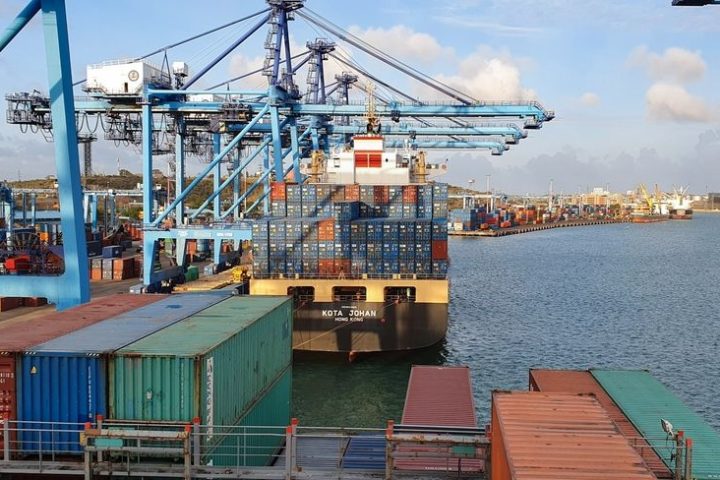
Gaye, who has visited the region, argued that the lack of proper infrastructure, especially the road networks connecting the host countries, could hinder the tournament’s success. “Some of my colleagues from East Africa told me that traveling from one country to another will take two days by road,” Gaye said. He also questioned whether awarding the tournament to East Africa could lower AFCON’s standards, citing the previous example of Guinea losing its hosting rights for AFCON 2025 due to inadequate preparations. “I think in Africa, only a few countries have the infrastructure to host such a large-scale event,” Gaye stated.
His comments were met with immediate criticism, especially from those who felt his remarks undermined East Africa’s development efforts. Some pointed to the progress the region has made in hosting international events and improving its infrastructure. A Twitter user, Paul Mwirigi Muriungi, defended Gaye’s position, arguing, “Try moving around East Africa by road, and you’ll understand. We reap what our leaders have sown.”
In response, CAF President Patrice Motsepe firmly rejected the idea of removing the hosting rights from East Africa. “We are not going to take the competition away from these countries,” he declared. Motsepe emphasized that one of CAF’s core responsibilities is to promote football development across all African nations, not just those with established infrastructure.
“We can’t just have competitions in countries with infrastructure,” Motsepe continued. “We need to create opportunities for other countries to build infrastructure to World Cup standards.” He expressed confidence that the AFCON 2027 tournament in Tanzania, Kenya, and Uganda would be a success, despite the logistical and infrastructural challenges that often accompany major sporting events.
Motsepe also pointed to the recent World Cup in Qatar and upcoming tournaments in Canada, the US, and Mexico as examples of how challenges can be overcome. “There will be challenges in every tournament,” he said, underscoring that such events are a catalyst for growth and development.
CAF’s decision to host the African Nations Championship (CHAN) in East Africa, despite initial concerns about readiness, is seen as part of the strategy to prepare the region for AFCON 2027. Motsepe explained that the CHAN tournament was specifically placed in East Africa to help the region build the necessary infrastructure for the 2027 AFCON, a vision that he is confident will come to fruition.