The Pope Leo Africa visit marks a pivotal moment for the Catholic Church in 2026. Indeed, this major overseas journey underscores the continent’s growing spiritual influence and global relevance. Consequently, the world is watching closely.
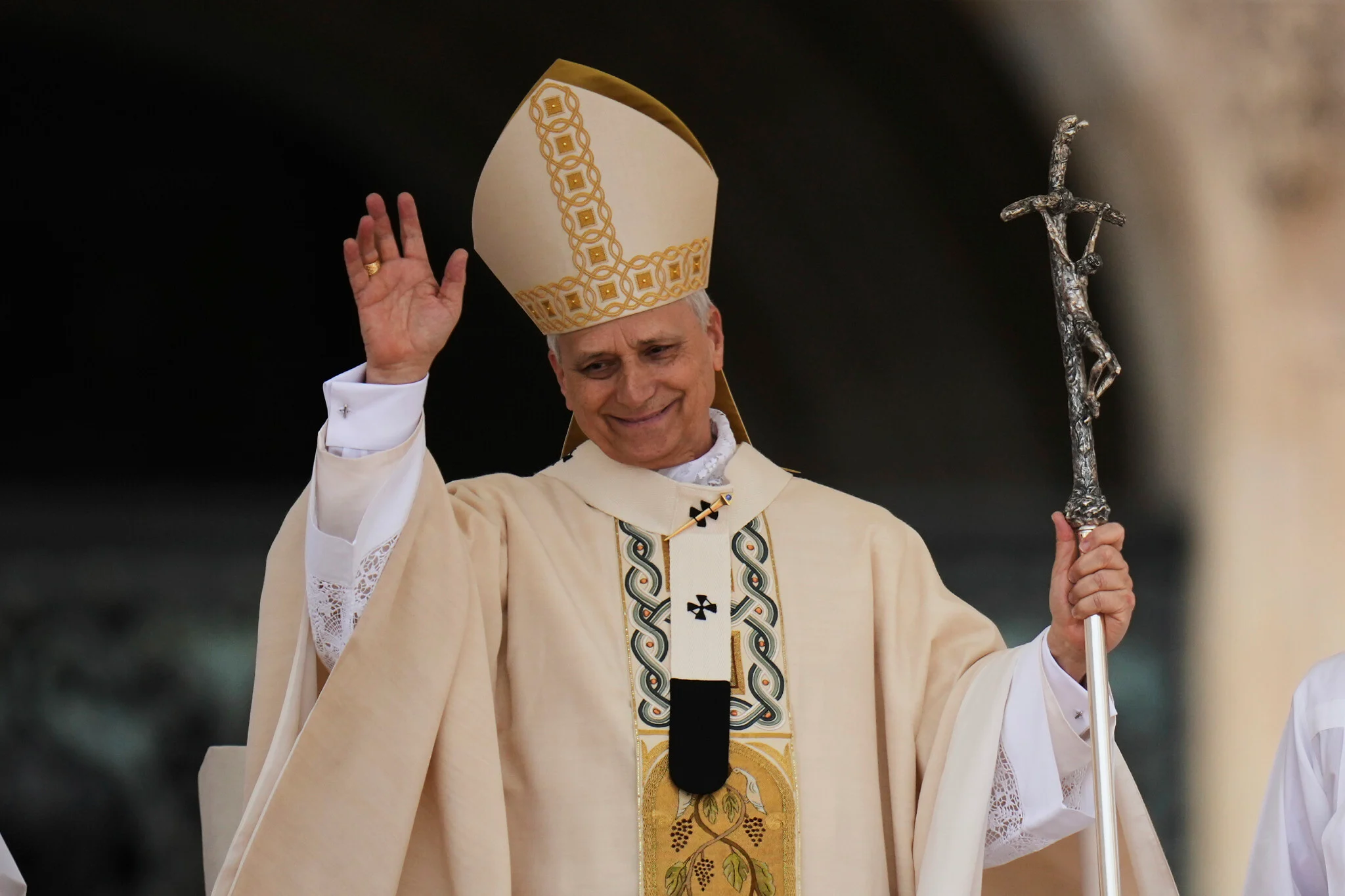
On Wednesday, the Vatican confirmed that Pope Leo will travel to Algeria, Angola, Equatorial Guinea, and Cameroon from April 13 to 23. Specifically, this Pope Leo Africa visit will bring the pontiff to regions where faith, culture, and development intersect dynamically. Large crowds are expected at each stop. In addition, the pontiff will emphasize Catholic-Muslim dialogue throughout the tour. Thus, he will urge global leaders to invest in African development and peacebuilding efforts.
About 20 percent of the world’s 1.4 billion Catholics reside on the continent. Therefore, Vatican officials view the Pope Leo Africa visit as a strategic priority. Reverend Agbonkhianmeghe Orobator, a Nigerian Jesuit leader, stated the trip reminds the world that Africa matters to the global Church.
Pope Leo was elected in May to succeed Pope Francis. However, he has made only one overseas trip so far, visiting Turkey and Lebanon in late 2025. Consequently, the current tour builds meaningfully on that foundational diplomatic effort.
Algeria has a significant Muslim population, while Cameroon and Angola have vibrant Catholic communities. Equally, Equatorial Guinea offers a unique cultural context for papal outreach. The Pope Leo Africa visit will highlight interfaith cooperation across these diverse settings.
Beyond Africa, Pope Leo will visit Monaco on March 28. Specifically, this one-day stop on the French Riviera precedes the African tour. He will also travel to Spain from June 6 to 12, with the Canary Islands expected on the schedule. In fact, the Canary Islands serve as a major entry point for migrants seeking Europe. The pope’s presence there could draw attention to humanitarian concerns. Thus, the Pope Leo Africa visit reinforces the Church’s global mission of solidarity and compassion.
Catholic Church growth in Africa continues to reshape global religious dynamics. Young populations and vibrant parish life drive this expansion. The pope’s itinerary reflects this demographic reality clearly and purposefully. Interfaith dialogue remains central to the tour’s purpose. Catholic-Muslim relations have deep historical roots across North and Central Africa. Pope Leo’s message will likely emphasize mutual respect, shared values, and collaborative action.
Furthermore, the Pope Leo Africa visit spotlights sustainable development. Church agencies partner with local groups on education, health, and poverty reduction. Papal advocacy can amplify these grassroots efforts on the world stage significantly.
Security and logistics for such a tour require careful coordination. Therefore, Vatican teams work closely with local authorities and dioceses. Safety protocols ensure the pope can engage freely with well-wishers across each nation.
Media coverage will bring global attention to African perspectives. Stories of faith, resilience, and innovation deserve wider recognition. The Pope Leo Africa visit offers a powerful platform for these vital narratives. Local Catholics anticipate the trip with excitement and prayer. Preparations include community events, volunteer training, and hospitality planning. The visit strengthens bonds between the Vatican and African dioceses meaningfully.
Pope Leo’s pastoral style emphasizes listening and compassion. His addresses will likely blend theological depth with practical encouragement. This approach resonates with diverse audiences across cultural boundaries effectively. The selection of four distinct nations shows strategic planning. Algeria represents North Africa, while Angola represents the south. Equatorial Guinea and Cameroon cover the central region with purposeful geographic diversity.
Migration issues in the Canary Islands remain a critical topic. The Church often advocates for humane treatment of refugees. Therefore, this stop aligns with broader humanitarian goals and the pope’s consistent message. The Pope Leo Africa visit ultimately signifies a shift in focus. Historically, European tours dominated the papal calendar. Now, the Global South receives heightened attention as the Church adapts to new demographic realities.
Pope Leo understands the importance of this transition. His background prepares him for such complex diplomatic tasks. Indeed, his previous visits laid the groundwork for this significant and timely tour.
Interfaith tensions exist in some regions of Africa. However, the pope’s presence often calms local conflicts. Thus, his role as a peacemaker remains vital and deeply needed.
Development aid is another crucial aspect of the tour. Many African nations struggle with infrastructure deficits. The Church often fills gaps where governments cannot, bringing tangible hope and resources. Therefore, papal visits often inspire increased contributions from donors. Consequently, local communities stand to benefit significantly from the attention and support generated by the Pope Leo Africa visit.
This mutual understanding fosters global unity. In conclusion, the upcoming tour is multifaceted in its goals. It addresses spiritual, social, and political dimensions with clarity, compassion, and purpose. The impact of this tour will be felt for years. Ultimately, the Pope Leo Africa visit stands as a testament to faith in action. It proves that the Church remains active, engaged, and hopeful across the globe.