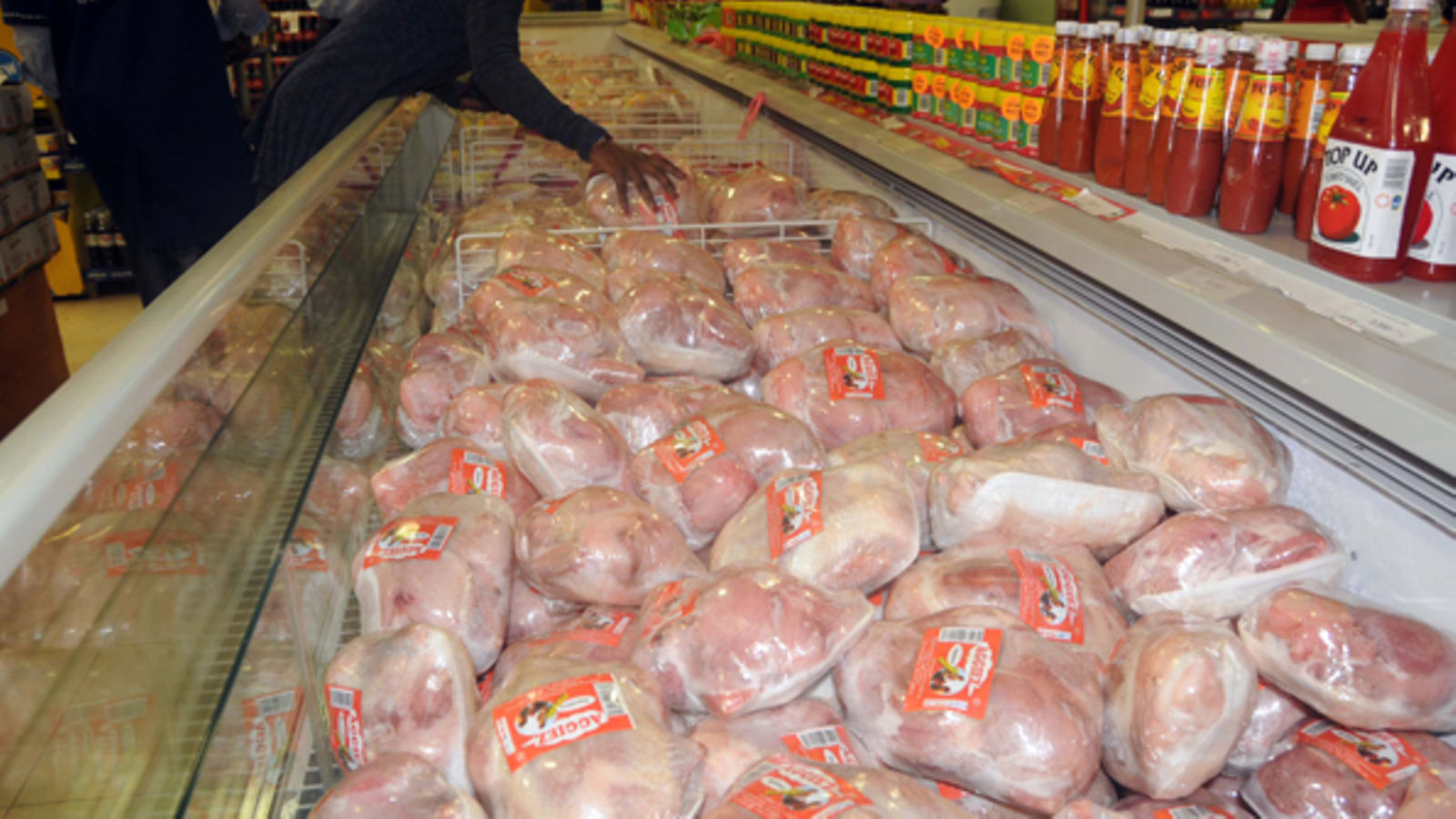
The chicken business Uganda narrative has become one of the most widely sold dreams in the country. It promises fast money, low risk, and easy success, yet many farmers are discovering a very different reality.
Across Uganda, poultry farming is often marketed as a guaranteed path to wealth. Social media, training seminars, and agribusiness promoters present chicken rearing as a simple venture that anyone can start. The message is clear. Start small, scale quickly, and profits will follow.
However, the truth behind the chicken business Uganda story is far more complicated. Many farmers enter the industry with high expectations, only to face rising costs, unpredictable markets, and thin profit margins.
At the heart of the issue lies a mismatch between perception and reality. Poultry farming is a real business. It requires planning, capital, and consistent management. Yet, it is often packaged as a shortcut to financial freedom.
Feed costs alone consume a large share of production expenses. Prices for maize bran, soybean meal, and commercial feeds have increased over time. For many small-scale farmers, this makes it difficult to maintain healthy margins. A slight change in feed prices can wipe out expected profits.
Disease is another major challenge. Outbreaks such as Newcastle disease can spread quickly and kill entire flocks. Without proper vaccination and biosecurity measures, farmers risk losing everything within days. This risk is rarely emphasized when promoting the chicken business Uganda opportunity.
Market access also plays a critical role. While demand for chicken exists, prices fluctuate widely. Middlemen often control the supply chain, buying at low prices and selling at higher margins. Farmers, especially those without direct market access, are left with little bargaining power.
In many cases, farmers are forced to sell at a loss just to avoid further expenses. Keeping mature birds for longer increases feed costs, which can worsen losses. This cycle traps many beginners who entered the chicken business Uganda with hopes of quick returns.
Another overlooked factor is scale. Small flocks rarely generate meaningful income. To make consistent profits, farmers must operate at a larger scale. This requires more capital, better infrastructure, and stronger management systems. Without these, poultry farming becomes a struggle rather than a solution.
Training programs and online influencers have contributed to the hype. Many focus on success stories while ignoring failures. They highlight gross revenue instead of net profit. As a result, new farmers enter the chicken business Uganda without understanding the full cost structure.
There is also a growing trend of selling inputs and training rather than farming itself. Some promoters earn more from selling chicks, feeds, and courses than from actual poultry production. This creates a system where the dream is more profitable than the practice.
Despite these challenges, poultry farming is not a scam. It can be profitable when done correctly. Farmers who succeed often have access to reliable markets, quality inputs, and proper management skills. They treat it as a business, not a shortcut.
Understanding costs is essential. Farmers must track expenses carefully, including feed, vaccines, labor, and housing. Profit comes from efficiency and consistency, not from quick turnover alone.
Diversification can also help reduce risk. Combining poultry farming with crop production, such as maize or simsim, can lower feed costs. This approach creates a more stable income stream and reduces dependence on volatile markets.
Cooperative models offer another solution. By working together, farmers can access better markets, negotiate prices, and reduce costs through bulk purchasing. This can improve profitability and sustainability in the chicken business Uganda sector.
The role of government and policy cannot be ignored. Better regulation, farmer education, and support programs can help stabilize the industry. Access to affordable credit and veterinary services would also improve outcomes for small-scale farmers.
For young entrepreneurs, the lesson is clear. The chicken business Uganda is not a get-rich-quick scheme. It is a demanding venture that requires patience, discipline, and knowledge.
Those who approach it with realistic expectations are more likely to succeed. They invest in proper systems, learn continuously, and adapt to market changes. In contrast, those chasing quick profits often face disappointment.
The widespread promotion of poultry farming as easy money has created a misleading narrative. It attracts beginners but sets them up for failure if they lack the necessary preparation.
In the end, the chicken business Uganda remains a viable opportunity, but only for those who understand its complexities. The real story is not about overnight success. It is about building a sustainable business in a challenging environment.