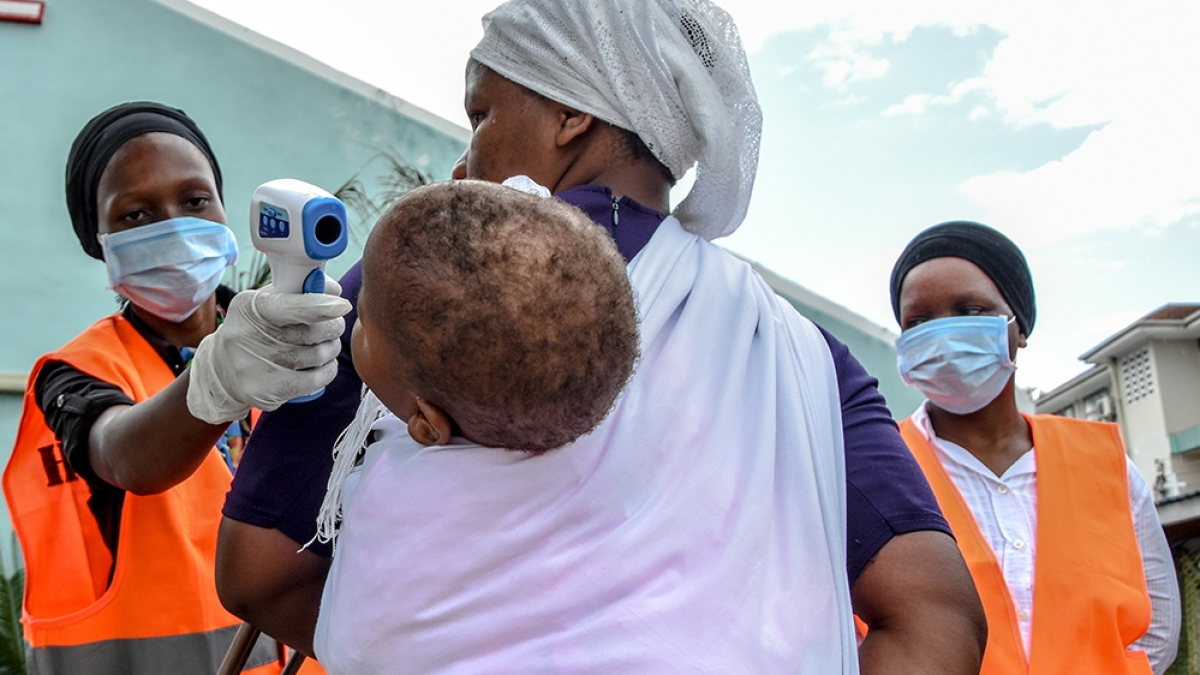
Tanzania recently issued a critical Tanzania Public Health Alert following a significant rise in severe influenza and COVID-19 cases. On Tuesday, 25 February 2026, Chief Medical Officer Dr. Grace Magembe confirmed that the Ministry of Health observed a spike in patients with respiratory distress. Consequently, officials are urging the public to maintain high levels of vigilance against these illnesses.
Both influenza and COVID-19 spread through respiratory droplets when an infected person coughs or sneezes. Therefore, the Ministry identified common symptoms such as high fever, persistent cough, and extreme fatigue. Historically, Tanzania experiences a seasonal surge in these cases between November and April each year. Because of this predictable pattern, health experts expected a rise, yet the current severity requires immediate community action.
To combat this trend, the Tanzania Public Health Alert advises citizens to follow strict preventive measures. For instance, individuals should cover their mouths when coughing and wash hands frequently with soap. Furthermore, using hand sanitizer and wearing face masks in crowded places remain highly effective strategies. Above all, the Ministry cautions against self-medication, particularly the misuse of antibiotics without professional medical advice.
In addition to respiratory concerns, the government warned of an increased risk of dengue fever. This risk stems from ongoing heavy rains, which create perfect breeding grounds for mosquitoes. Since the Aedes mosquito transmits dengue, it typically bites during daylight hours. Symptoms often include severe headaches, joint pain, and pain behind the eyes. Because these symptoms mimic malaria, the Ministry recommends immediate testing at recognized health facilities.
Moreover, the public should eliminate stagnant water around homes to reduce mosquito populations. Residents can also protect themselves by wearing long clothing and using effective repellents. Meanwhile, the Tanzania Public Health Alert provided an update on the nation’s cholera status. Although most regions faced outbreaks recently, no new cases appeared in the past month, except in Kilimanjaro and Njombe.
Dr. Magembe commended the collective efforts of religious institutions and community leaders in containing cholera. However, she warned that the current rainy season could easily trigger a resurgence. Therefore, the Ministry urges everyone to boil or chemically treat all drinking water. Additionally, maintaining proper sanitation and washing fruits with clean water are essential steps to prevent contamination.
The government continues to monitor all epidemic-prone diseases across the country. Through these regular updates, officials hope to provide clear guidance if further measures become necessary. Ultimately, the success of this Tanzania Public Health Alert depends on individual responsibility and community cooperation. By staying informed and following these health guidelines, citizens can protect themselves and their families from these seasonal threats.
In conclusion, the Ministry of Health remains committed to transparency and rapid response. It will provide regular updates as the situation evolves during this high-risk rainy season. By integrating modern surveillance with traditional hygiene practices, Tanzania aims to mitigate the impact of these concurrent health challenges.